2,895 words
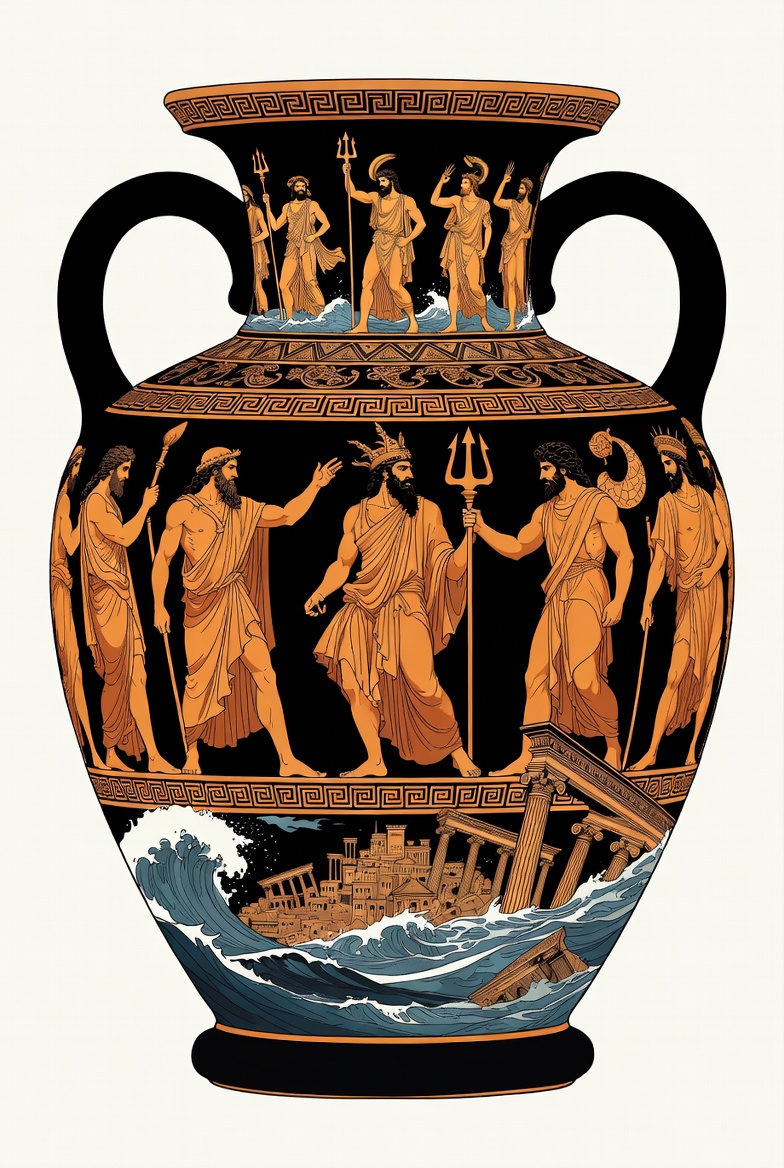
Many dismiss Atlantis as merely a myth or allegory by Plato. The theosophists and other peddlers of pop culture esotericism embrace the myth and embroider it, for instance, claiming that Atlantis had flying machines. I have always taken the radical centrist stance that Atlantis existed, minus the fantastical claims. It was probably a settlement in North Africa that was advanced for its time, like Göbekli Tepe in Anatolia.
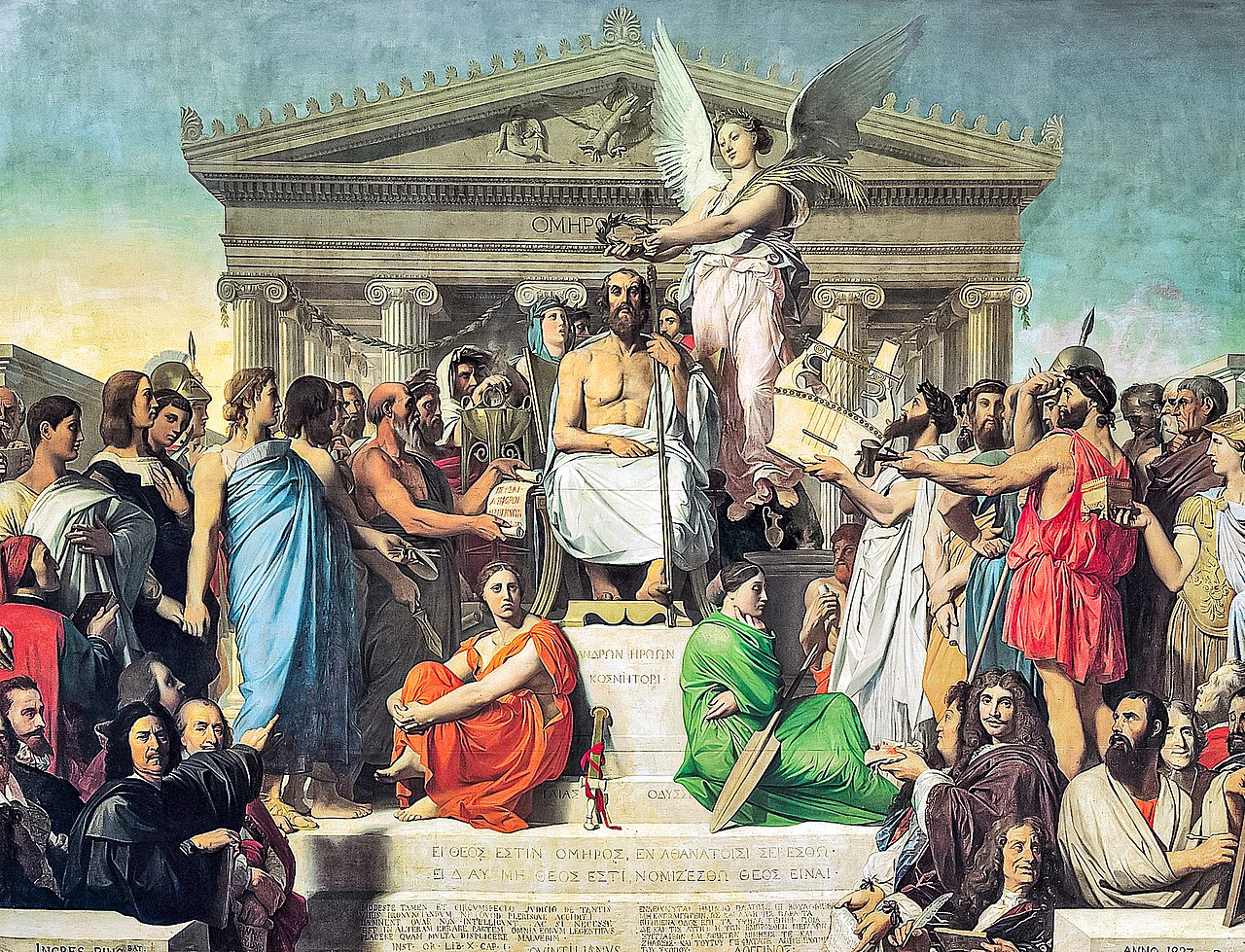
The only two primary sources on Atlantis are Plato’s Timaeus and Critias which are sequels to The Republic.[1] But modern myth mongers rarely examine them, even in passing. A close reading of them suggests that the Greeks remembered Homer’s Troy but not Solon’s Atlantis because it was closer in time with fewer intervening disasters and because Homer could devote his attention to poetry while Solon could not. The Critias ends abruptly mid-sentence with a council of the gods to echo the start of the Odyssey, further emphasizing the comparison to Homer’s Troy. (more…)