
2,340 words
[A] uniformly valid and binding designation is invented for things, and this legislation of language likewise establishes the first laws of truth.
-Friedrich Nietzsche, On Truth and Lie in an Extra-Moral Sense (more…)
2,340 words
[A] uniformly valid and binding designation is invented for things, and this legislation of language likewise establishes the first laws of truth.
-Friedrich Nietzsche, On Truth and Lie in an Extra-Moral Sense (more…)

5,521 words
Parts 1-4 here
Absolute Knowing and History
In our last installment, we completed our brief overview of The Phenomenology of Spirit, and we are now ready to turn to Hegel’s philosophical system proper, for which the Phenomenology provides a kind of introduction. First, however, we must consider some crucial points of interpretation, which have vexed many readers of Hegel. (more…)

Plato’s Academy as depicted on tiles found at Pompeii, which dates to circa 100 BC.
Plato’s Academy as depicted on tiles found at Pompeii, which dates to circa 100 BC.
1,826 words
Part 11 of 14 (Part 1 here, Part 2 here, Part 3 here, Part 4 here, Part 5 here, Part 6 here, Part 7 here, Part 8 here, Part 9 here, Part 10 here, Part 12 here)
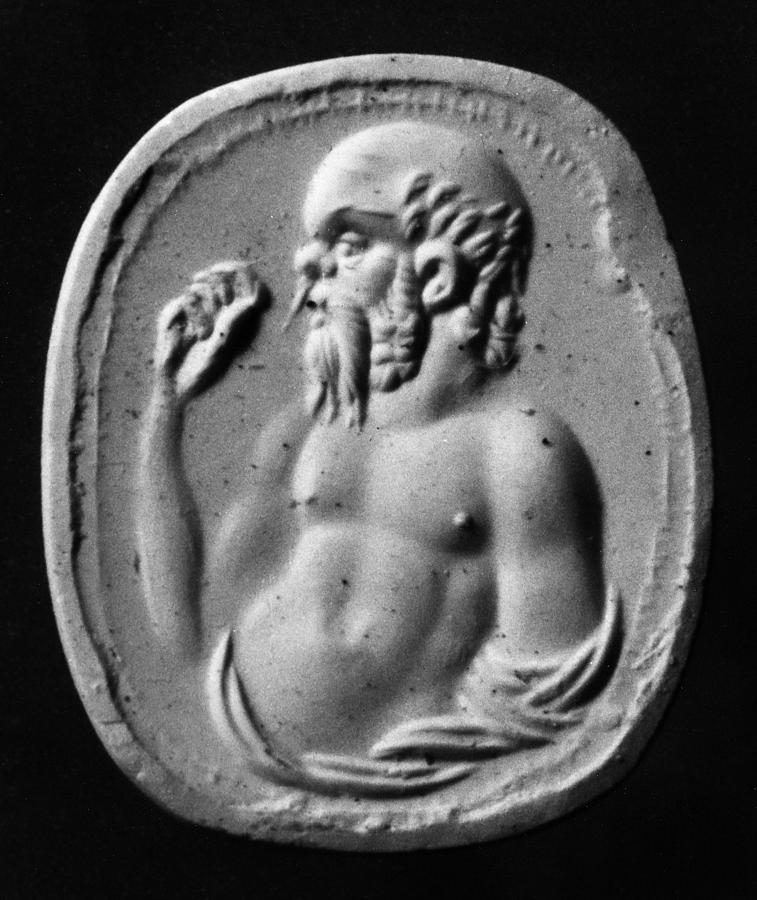
After beating Polus, Socrates continued to badger him with intentionally provocative and paradoxical arguments until Callicles cuts in. The conversation between Socrates and Callicles takes up the rest of the Gorgias. (more…)
1,702 words
Part 6 of 14 (Part 1 here, Part 2 here, Part 3 here, Part 4 here, Part 5 here, Part 7 here)
Socrates the Pugilist
After Socrates outlines why he thinks that rhetoric is not an art but rather merely a “knack” for pandering and corrupting, he apologizes for lapsing into speech-making, but he explains that it was necessary because Polus was incapable of answering short questions. (more…)
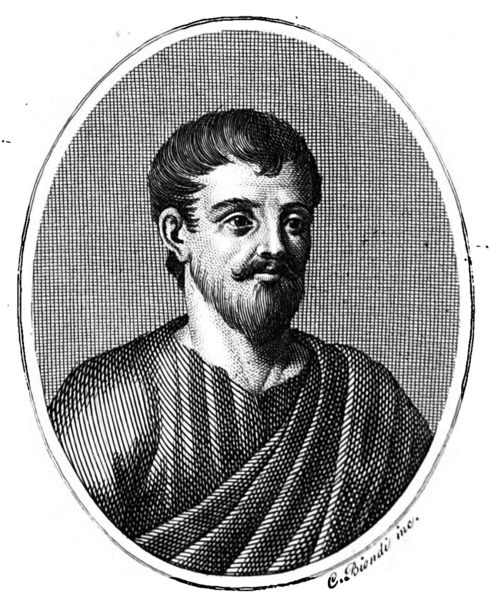
Gorgias (Image source: Wikimedia Commons, from an Italian book published in 1818)
Gorgias (Image source: Wikimedia Commons, from an Italian book published in 1818)
1,878 words
Part 4 of 14 (Part 1 here, Part 2 here, Part 3 here, Part 5 here)
Ethics as an Afterthought (456d–457c)
Is Socrates right that sophistry is essentially amoral and technocratic? After all, the sophists were widely seen as not just teachers of rhetoric but also as teachers of morals. However, as we shall see, both Polus and Callicles strongly embrace the amoral and technocratic idea of sophistry. Moreover, in the Meno—which is set in 402 BCE, after the Peloponnesian War and the latest possible date of the Gorgias—Meno tells Socrates: “I admire this most in Gorgias, Socrates, that you would never hear him promising this [to teach virtue]. Indeed, he ridicules the others [other sophists] when he hears them making this claim. He thinks one [the sophists] should [only] make people better speakers” (95c).[1] (more…)

Former KKK poster boy R. Derek Black today, whose pronouns are now they/them. (Photo from his Instagram)
Former KKK poster boy R. Derek Black today, whose pronouns are now they/them. (Photo from his Instagram)
2,724 words
Translations: French, Polish, Spanish
This essay was originally published in July 2013, but has become relevant again in light of the recent disclosure that R. Derek Black now identifies as transsexual, as revealed in his new memoir: The Klansman’s Son: My Journey from White Nationalism to Antiracism.
Derek Black’s renunciation of White Nationalism raises questions of wider significance about how people form and reject beliefs. (more…)

3,188 words
The words of this language are to refer to what only the speaker can know — to his immediate private sensations. So another person cannot understand the language. — Ludwig Wittgenstein, Philosophical Investigations (more…)
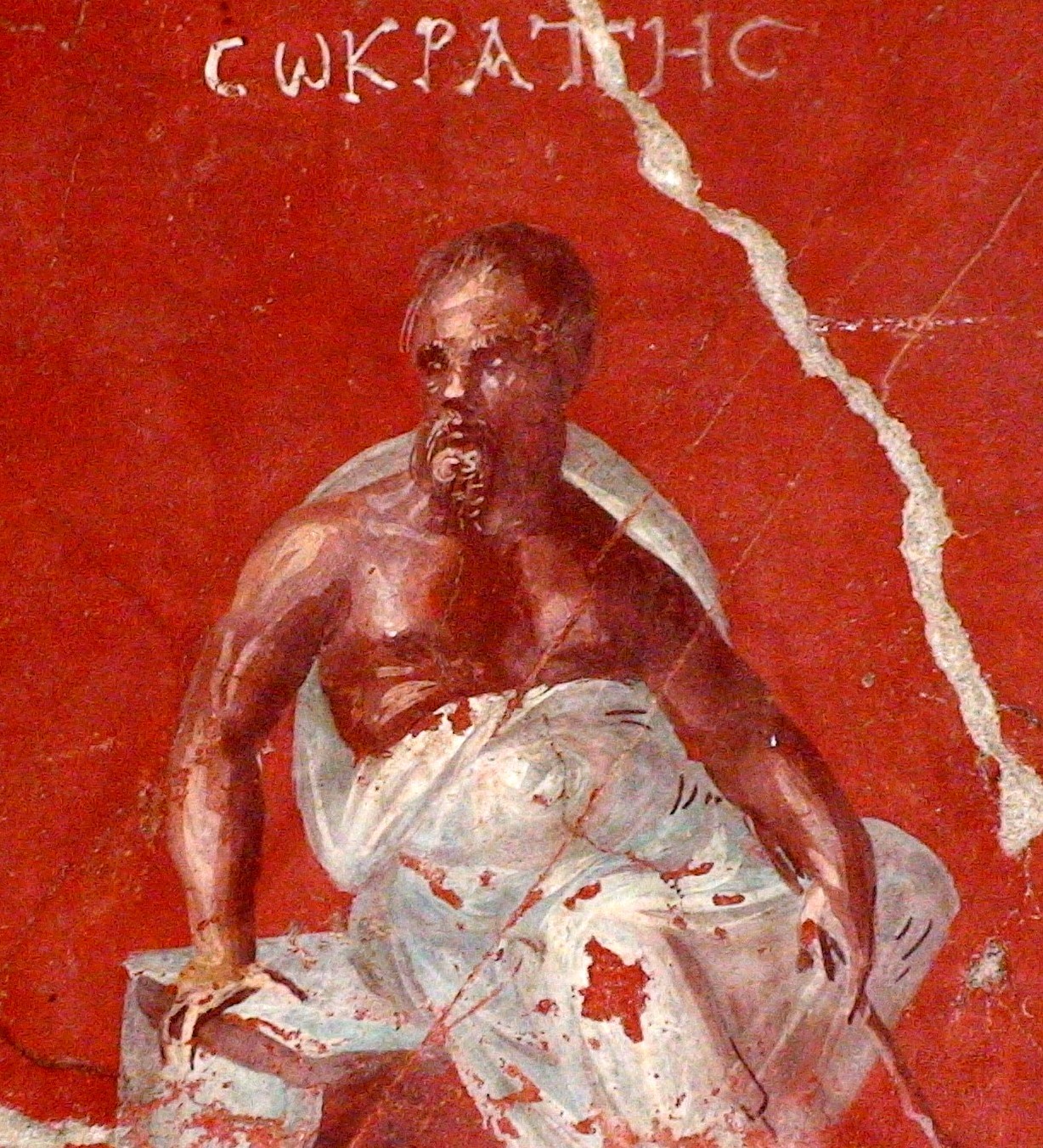
Seated Socrates, fresco from ancient Ephesus
Seated Socrates, fresco from ancient Ephesus
372 words / 1:47:48
Greg Johnson began a five-week course on Plato’s Gorgias on the latest broadcast of Counter-Currents Radio, which will continue for the next four Saturdays (July 1, 8, 15, and 22). The first lecture, which both introduces the dialogue as a whole and also examines Socrates’ argument with the great Sophist Gorgias, can be heard below.
The theme of the course is “Might vs. Right.” Dr. Johnson will be using Donald J. Zeyl’s translation of the Gorgias published by Hackett as both a separate book and as part of their Plato Complete Works volume. (more…)
1,475 words
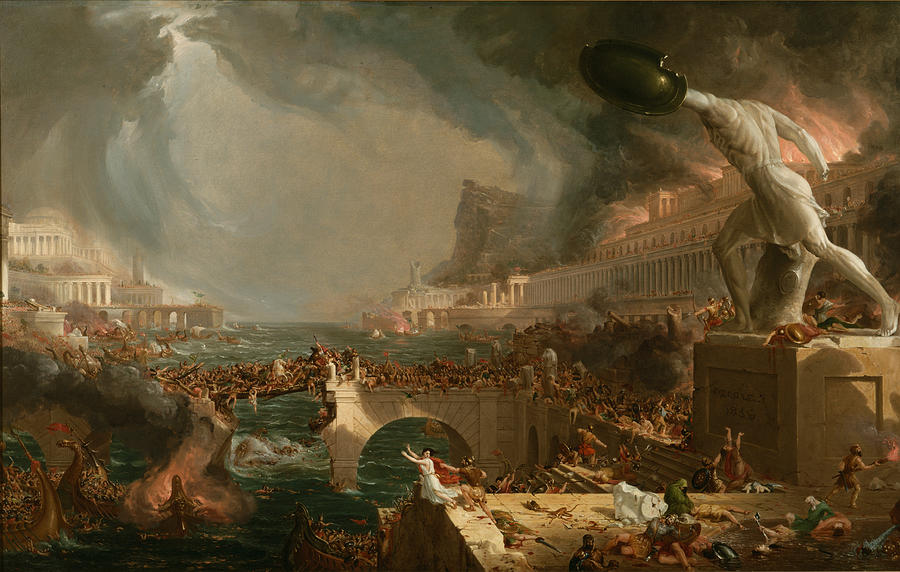
So are we merely documenting the decline?
This is a question I often see posed among people on the Right. Things are not exactly ascending for us these days, and so the decline that we see dripping all around us like dirty water from a cracked ceiling can get monotonous and depressing. (more…)

2,314 words
I did not have sexual relations with that woman. — President Bill Clinton
Nicholas R. Jeelvy’s recent Counter-Currents post, “The Elite Are Those Who Refuse to Lie,” got me to meditating about lying and liars.
From the “Good Book”:
These six things doth the Lord hate: (more…)
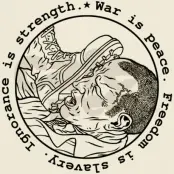
1,966 words
Right-wingers are fascinated with IQ to the point that it’s a focal point of the ideological brand. It’s an unspoken credo that says, “We’re the smart ones.” And that’s fine. All movements have mantras. There’s certainly nothing unappealing about being “the smart ones.” But when was the last time you heard the Left discuss IQ? (more…)
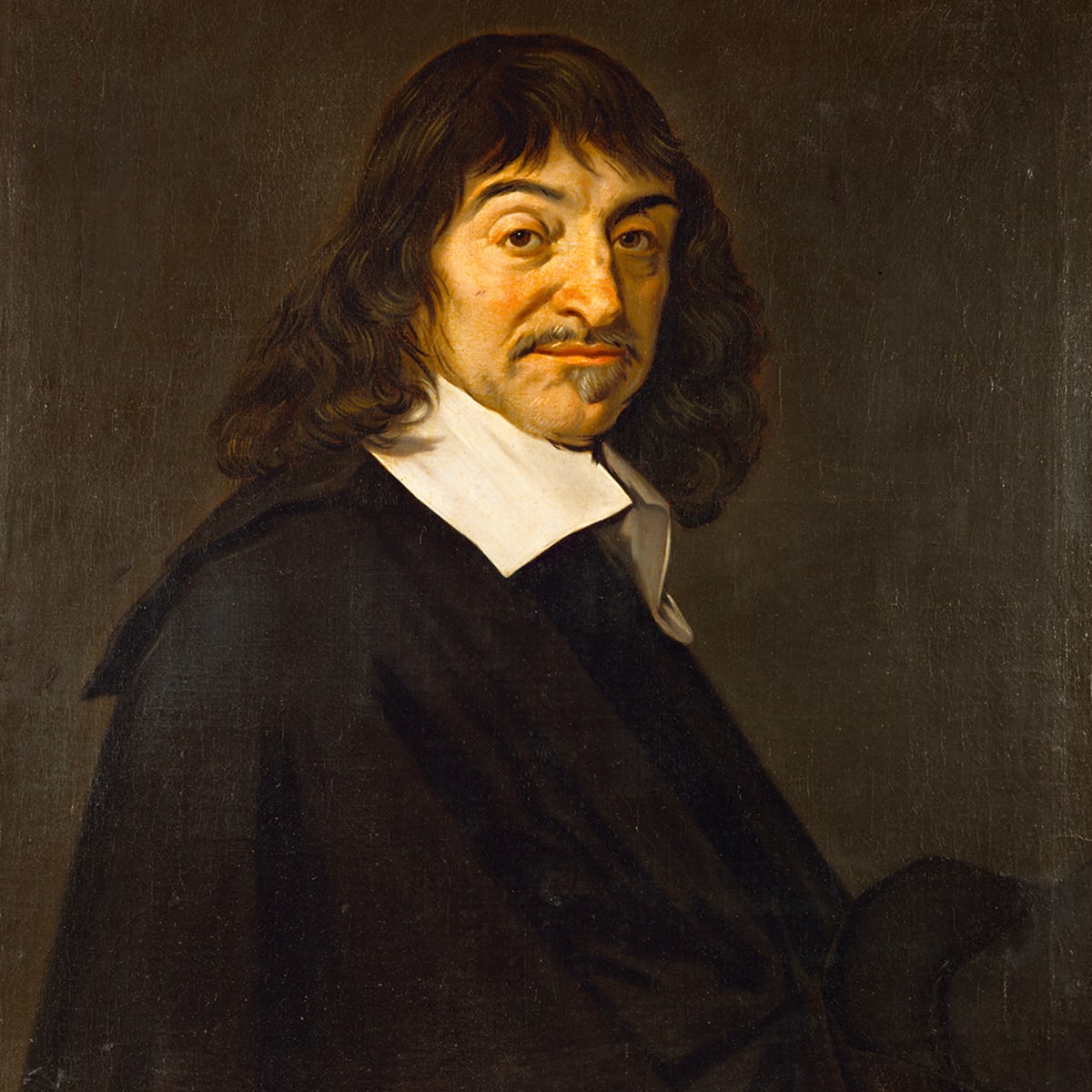
René Descartes
René Descartes
2,176 words
I rooted out of my mind all those errors that had formerly crept in . . . — René Descartes, Discourse on the Method
I know this much is true. — Spandau Ballet, “True”
There are famous concepts in Western philosophy, but it is hard to find any better known than René Descartes’ seemingly indubitable pronouncement that “I think, therefore I am.” (more…)
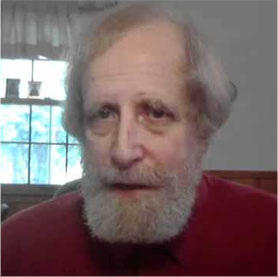
Charles Upton
Charles Upton
6,859 words
Part 1 of 2 (Part 2 here)
The following is a transcript of the Guide to Kulchur interview with the Traditionalist scholar Charles Upton on the subject of Alexander Dugin that was broadcast on May 27. Mr. Upton was previously interviewed by Greg Johnson for Counter-Currents Radio in 2012. The transcript was prepared by Hyacinth Bouquet. (more…)