Counter-Currents
  • Advertise
  • Private Events
  • T&C
  • About
  • Contact
  • RSS
    • Main feed
    • Podcast feed
    • Videos feed
    • Comments feed
  • Welcome
  • Webzine
  • Books
  • Merch
  • Podcasts
  • Videos
  • Donate
  • Patrons
  • Subscribe
  • Crypto

LEVEL2

Donate Now Mailing list
Upcoming podcasts
  • Rob Rundo on Counter-Currents Radio

    Rob Rundo on Counter-Currents Radio

    Counter-Currents Radio

    06/13/2026 — 3 pm EST / 9 pm CET
  • Daniel Tyrie on Counter-Currents Radio

    Daniel Tyrie on Counter-Currents Radio

    Counter-Currents Radio

    06/20/2026 — 3 pm EST / 9 pm CET

Writers of May

(2 votes) Morris van de Camp David M. Zsutty Derek Stark Jayant Bhandari Greg Johnson

Articles of May

The Lunch Wars by David M. Zsutty Heidegger on Nietzsche, Part One by Collin Cleary 2 votes
  • Welcome
  • Webzine
  • Books
  • Merch
  • Podcasts
  • Videos
  • Donate
  • Patrons
  • Subscribe
  • Crypto
    • Editor’s Update
      Rob Rundo Rescheduled to Next Week on Counter-Currents Radio;
      Tonight Greg Johnson & David Zsutty Answer Your Questions;
      Fundraiser Update & a New $20,000 Matching Grant

      Greg Johnson

    • The Counter-Currents 2026 Fundraiser
      Lifetime Subscriber Welcome Packages Extended

      Greg Johnson

    • Nationalism This Week
      Who’s Looking Back?

      Greg Johnson

      21

    • China’s Threat to American Security:
      Food, Farmland, Foreign Control, & Energy Policy

      Lipton Matthews

      1

    • The Bitter End of Western Metaphysics:
      Heidegger on Nietzsche, Part Two

      Collin Cleary

      11

    • The Killing of Henry Nowak

      Mark Gullick

      28

    • The Crisis of Chinese Technology Thieves

      Morris van de Camp

      1

    • The Strange World of Gender Bender Fiction:
      & What This Genre Tells Us About Autosexuality

      Dani Vypont

      3

    • Watching the Watchers:
      The Dark Triad Question

      David M. Zsutty

      14

    • The Remigration Movement Solidifies

      F. Roger Devlin

      1

    • Casting Aspersions:
      The Fatal Consequences of Race-Swapped Casting, From Helen of Troy to Henry of Southampton

      Steven Tucker

      20

    • The Murder of Henry Nowak

      Millennial Woes

      23

    • Don’t Forget to Vote in Our Writer & Article of the Month Poll

      Greg Johnson

    • The Robot Hotdog Stand

      Greg Johnson

      35

    • Laughing Our Way to Victory

      Dave Chambers

      7

    • The Zodiac Killer

      Mark Gullick

      11

    • Jared Taylor: What Rome Means to Me

      Jared Taylor

      1

    • An Interview with Endeavour:
      My Way of Life Is an Adventure!

      Ondrej Mann

      6

    • José Pedro Zúquete’s The Identitarians

      Greg Johnson

      3

    • Editor’s Update
      Fundraiser Update & How to Watch the Remigration Summit

      Greg Johnson

      5

    • The Bitter End of Western Metaphysics:
      Heidegger on Nietzsche, Part One

      Collin Cleary

      11

    • Berlin: City of Stones

      Spencer J. Quinn

      6

    • True Folk-Horror Is Horror of Your Own Folk:
      Mark Gatiss vs the Brexit Blind Dead  

      Steven Tucker

      4

    • Counter-Currents Radio Podcast No. 689
      Thomas Massie, the America 2050 Bust, the Need for Whites to Divest from America, the AI Economic Apocalypse, & Pro-White Project Pitches to Billionaires

      Counter-Currents Radio

      7

    • Nationalism This Week
      Remigration is Inevitable, Part 3

      Greg Johnson

      27

    • Why Billionaires Should Fund White Identity Politics

      Lipton Matthews

      8

    • How Cold War Two Came About

      Morris van de Camp

      5

    • Now Available for Pre-Order at a Special Price!
      Greg Johnson’s The Philosopher Is In

      Greg Johnson

    • David Zsutty’s Elevator Pitch to a Billionaire

      David M. Zsutty

      1

    • Headbanging Lite

      Mark Gullick

      5

    • White Advocacy Past and Present

      Peter Bradley

      13

    • The Lunch Wars

      David M. Zsutty

      47

    • The Russians are Coming/The Russians are Coming

      Steven Clark

      1

    • Peak Fatigue in Fort Wayne

      Gabriel Anderson

      24

    • Keith Woods’ Elevator Pitch to a Billionaire

      Keith Woods

    • The Cruelty of Kindness

      Morris van de Camp

      9

    • Predation Wearing the Mask of Civilization

      Jayant Bhandari

      13

    • The Mandalorian & Grogu

      Trevor Lynch

      24

    • Editor’s Update
      Fundraiser Update & a New $20,000 Matching Grant
      Greg Johnson & David Zsutty Discuss Thomas Massie on Counter-Currents Radio

      Greg Johnson

      2

    • How the Jews Defeated Thomas Massie—& Themselves

      David M. Zsutty

      25

    • Jared Taylor’s Elevator Pitch to a Billionaire

      Jared Taylor

      15

    • Nationalism This Week
      Remigration Is Inevitable, Part 2

      Greg Johnson

      8

    • Could Fascism Work?

      Mark Gullick

      40

    • Jonathan Bowden’s Deliverance
      Part 7

      Jonathan Bowden

    • China’s Quiet Hand:
      Influence, Infiltration, & the Western Blind Spot

      Lipton Matthews

      9

    • Counter-Currents Radio Podcast No. 688
      Tyler Dykes on Running for US Congress in South Carolina

      Counter-Currents Radio

      3

    • Lothrop Stoddard’s The Revolt Against Civilization

      Spencer J. Quinn

      14

    • Lewis Strauss Did Nothing Wrong:
      How the politics of the Atom Bomb during the early Cold War Apply to Artificial Intelligence Today

      Morris van de Camp

      14

    • The Ghost of the Confederacy

      Dave Chambers

      12

    • America’s Century of Humiliation has Begun

      Greg Johnson

      27

    • AdamMil

      Who’s Looking Back?

      Massive hardware. To run something like Grok you'd need terabytes of GPU memory. That said, for...

    • AdamMil

      Who’s Looking Back?

      Don’t be too sure. There have already been multiple experiments showing that modern AIs may turn on...

    • Hi-ya!

      Who’s Looking Back?

      I use the following commands if I feel ai is getting to wound up, yes I got it from ai but it’s...

    • Collin Cleary

      Heidegger on Nietzsche, Part Two

      Oh no, not so. For the Overman, truth is entirely relative and subjective. Remember: he gets to...

    • Connor McDowell

      Who’s Looking Back?

      HAL9000 in 2001 was never truly “sentient”. “His” programming had a conflict that couldn’t be...

    • Will Williams

      Nationalism This Week: Victory First

      There are several C-C essays that mention Gaza, but this appears to be the only one where comments...

    • Observer

      Heidegger on Nietzsche, Part Two

      In Platonism, we find the insistence that being, true being, is identical with “the forms.” The...

    • JBP

      Heidegger on Nietzsche, Part Two

      Thanks. Unfortunately I must fall into the 95% that Jane refers to. My brain is not putting the...

    • Will Williams

      Who’s Looking Back?

      Vauquelin: June 7, 2026 ...You must judge AI/LLM based on those who control it. With the likes of...

    • Hi-ya!

      Heidegger on Nietzsche, Part Two

      Love to engage in this with more attention ; I’ve never seen “clearing” in presocratics and my hot...

    • Vauquelin

      Who’s Looking Back?

      You must judge AI/LLM based on those who control it. With the likes of Sam Altman and Alex Karp...

    • Chud

      Who’s Looking Back?

      There's another dangerous option where homebrew AI models scale up and the consumers get their...

    • Gabe

      Who’s Looking Back?

      Boom. Nailed it.

    • Joe Gould

      The Killing of Henry Nowak

      This is a good article. The only thing I want to add is, above all we must guard ourselves against...

    • Greg Johnson

      Who’s Looking Back?

      Thank you I also wonder if these AI bots are being used to gather intelligence on influential...

    • E_Perez

      Heidegger on Nietzsche, Part Two

      "Philosophy helps Western man understand how we got to where we are, and where things went wrong...

    • Chud

      Who’s Looking Back?

      I'll try to give a rundown. AI is a language learning model (LLM) that uses floating point...

    • Will Williams

      How the Jews Defeated Thomas Massie—And Themselves

      Massie to Honor USS Liberty Crew on House Floor [email protected]  June 6, 2026  thomas...

    • JBP

      Editor’s Update

      Sorry but... Wrong, wrong wrong and wrong. The current momentum of history will not change with a...

    • Will Williams

      The SPLC Indictment

      The indictment of the Southern Poverty Law Center by the Department of Justice on 21 April is...

    • Earth Day Special

      John Morgan

      12

    • A Robertson Roundup
      Remembering Wilmot Robertson
      (April 16, 1915 – July 8, 2005)

      Margot Metroland

      13

    • The Paranoid Style in White Nationalism

      Greg Johnson

      30

    • Join the Dance!

      Andrew Hamilton

      1

    • We Can’t Save the Earth Without Reducing African Birth Rates

      James Dunphy

      36

    • “I’m Not a Conspiracy Theorist, but . . .”:
      Jeffrey Epstein’s Death Gives New Life to “Conspiracy Theories”

      Greg Johnson

      22

    • Sylvia Plath: Stasis in Darkness

      Vic Olvir

      17

    • Vanguardism, Vantardism, & Mainstreaming

      Greg Johnson

      80

    • Aviation, Geography, & Race

      Charles Lindbergh

      3

    • Some Thoughts on Yule

      Collin Cleary

      4

    • Living in Truth:
      A Yuletide Homily

      Jef Costello

      7

    • John Kennedy Toole’s A Confederacy of Dunces

      Greg Johnson

      20

    • On Aleksandr Solzhenitsyn’s Warning to the West

      Spencer J. Quinn

      7

    • Elitism, British Modernism, & Wyndham Lewis

      Jonathan Bowden

      6

    • Philip K. Dick’s Do Androids Dream of Electric Sheep? as Anti-Semitic/Christian-Gnostic Allegory

      Greg Johnson

      20

    • “Conspiracy Theory” or Conspiracy?

      Andrew Hamilton

      21

    • Remembering H. P. Lovecraft
      (August 20, 1890–March 15, 1937)

      Greg Johnson

      3

    • Who Are We?
      Nordics, Aryans, & Whites

      Greg Johnson

      71

    • Remembering William Gayley Simpson
      (July 23, 1892–December 31, 1990)
      A Pleasant Afternoon with Harriet & Bill Simpson

      Margot Metroland

      18

    • Here are the Young Men
      Remembering Ian Curtis
      (July 15, 1956–May 18, 1980)

      Mark Gullick

      18

    • Percy Grainger
      Artist of the Right

      Alex Graham

      7

    • Remembering Revilo Oliver
      (July 7, 1908–August 20, 1994)

      Greg Johnson

      18

    • The Meaning of July 4th for the White Man

      Gregory Hood

      13

    • The Front National’s Evolution

      Bruno Mégret

    • Merwin K. Hart
      Forgotten American Hero & Man of the Right

      Morris van de Camp

      10

    • George Orwell’s Nineteen Eighty-Four

      Jonathan Bowden

      8

    • Carleton S. Coon
      Scientist & Reluctant White Advocate

      Morris van de Camp

      3

    • The Kwanzaa Absurdity Will Be Dwarfed by Juneteenth

      Robert Hampton

      10

    • Stravinsky

      Alex Graham

      7

    • Like the Roman:
      Remembering Enoch Powell (1912-1998)

      Mark Gullick

      23

    • Neo-Fascism in Film
      Part 5

      Karel Veliky

      15

    • The Game of Tarot

      Mark Gullick

      1

    • Institutions Cannot Be Transplanted

      Jayant Bhandari

      5

    • Jonathan Bowden’s Deliverance
      Part 5

      Jonathan Bowden

    • Crosstown Traffic:
      Jimi Hendrix & The Post-War Rock ‘N’ Roll Revolution

      Mark Gullick

      1

    • Slaves from the North:
      Finns & Karelians in the East European Slave Trade, 900–1600

      Lipton Matthews

      14

    • Neo-Fascism in Film
      Part 4

      Karel Veliky

      2

    • David Lean’s A Passage to India

      Spencer J. Quinn

      1

    • Elites are Essential to Development

      Lipton Matthews

      7

    • Jonathan Bowden’s Deliverance
      Part 4

      Jonathan Bowden

    • Neo-Fascism in Film
      Part 3

      Karel Veliky

      6

    • E. M. Forster’s A Passage to India & the Indian Mentality

      Spencer J. Quinn

      25

    • Jonathan Bowden’s Deliverance
      Part 3

      Jonathan Bowden

    • The Rest Is Silence
      Heidegger’s Quietism

      Mark Gullick

      2

    • Dispelling the Historical Fallacy of Indian Nationalism

      Lipton Matthews

      8

    • Neo-Fascism in Film
      Part 2

      Karel Veliky

      8

    • Jonathan Bowden’s Deliverance
      Part 2

      Jonathan Bowden

    • Life of a Klansman

      Mark Gullick

      8

    • Jonathan Bowden’s Deliverance, Part 1

      Jonathan Bowden

    • Decolonial Ideas are Holding Back Developing Countries

      Lipton Matthews

      8

    • Neo-fascism in Film, Part 1

      Karel Veliky

      21

    • Jonathan Bowden’s Onslaught, Part 8
      Divigations on Decadence

      Jonathan Bowden

    • Jonathan Bowden’s Onslaught, Part 7
      Intrigues in the National Front

      Jonathan Bowden

      1

    • Rotten to the Core

      Mark Gullick

      8

    • Strauss on Husserl’s “Philosophy as Rigorous Science”

      Greg Johnson

    • Jonathan Bowden’s Onslaught, Part 6
      Francis Bacon & Right-Wing Nihilism

      Jonathan Bowden

    • London After (& Before) Midnight:
      Aleister Crowley, The Landlord’s Worst Nightmare

      James J. O'Meara

      2

    • Jonathan Bowden’s Onslaught, Part 5
      The Post-War British Far Right

      Jonathan Bowden

    • No Rules: Rollerball

      Mark Gullick

      4

    • Jonathan Bowden’s Onslaught, Part 3
      Brett Easton Ellis’ American Psycho

      Jonathan Bowden

    • András László
    • Derek Hawthorne
    • Beau Albrecht
    • Alain de Benoist
    • Kerry Bolton
    • Jonathan Bowden
    • Collin Cleary
    • Jef Costello
    • Savitri Devi
    • Julius Evola
    • Jim Goad
    • Gregory Hood
    • Juleigh Howard-Hobson
    • Greg Johnson
    • Charles Krafft
    • Anthony M. Ludovici
    • Trevor Lynch
    • H. L. Mencken
    • J. A. Nicholl
    • James J. O’Meara
    • Christopher Pankhurst
    • Tito Perdue
    • Michael Polignano
    • Spencer J. Quinn
    • Fenek Solère
    • Irmin Vinson
    • Leo Yankevich
    • Francis Parker Yockey
    • Multiple authors
  • Editor-in-Chief

    • Greg Johnson, Ph.D.

    Featured Writers

    • Beau Albrecht
    • Gunnar Alfredsson
    • Collin Cleary, Ph.D.
    • Jef Costello
    • Morris V. de Camp
    • F. Roger Devlin, Ph.D.
    • Stephen Paul Foster, Ph.D.
    • Jim Goad
    • Alex Graham
    • Mark Gullick, Ph.D.
    • Greg Johnson, Ph.D.
    • Travis LeBlanc
    • Trevor Lynch
    • Margot Metroland
    • James J. O’Meara
    • Angelo Plume
    • Spencer J. Quinn
    • Fred Reed
    • Clarissa Schnabel
    • Michael Walker
    • David M. Zsutty

    Frequent Writers

    • Asier Abadroa
    • Aquilonius
    • Alain de Benoist
    • Kerry Bolton, Ph.D.
    • Dave Chambers
    • Steven Clark
    • James Dunphy
    • Endeavour
    • Richard Houck
    • Jason Kessler
    • Titus Livius
    • Ondrej Mann
    • Lipton Matthews
    • Mark Mazari
    • John Morgan
    • Jaroslav Ostrogniew
    • Kathryn S.
    • Christian Secor
    • Anne Wilson Smith
    • Thomas Steuben
    • William De Vere
    • Kenneth Vinther
    • Max West

    Classic Authors

    • Maurice Bardèche
    • Jonathan Bowden
    • Julius Evola
    • Guillaume Faye
    • Ernst Jünger
    • Kevin MacDonald, Ph.D.
    • D. H. Lawrence
    • Charles Lindbergh
    • Jack London
    • H. P. Lovecraft
    • Anthony M. Ludovici
    • Sir Oswald Mosley
    • National Vanguard
    • Friedrich Nietzsche
    • Revilo Oliver
    • William Pierce
    • Ezra Pound
    • Saint-Loup
    • Savitri Devi
    • Carl Schmitt
    • Miguel Serrano
    • Oswald Spengler
    • P. R. Stephensen
    • Jean Thiriart
    • John Tyndall
    • Dominique Venner
    • Leo Yankevich
    • Francis Parker Yockey

    Other Authors

    • Howe Abbott-Hiss
    • Michael Bell
    • Giles Corey
    • Jack Donovan
    • Richardo Duchesne, Ph.D.
    • Emile Durand
    • Guillaume Durocher
    • Mark Dyal
    • Tom Goodroch
    • Andrew Hamilton
    • Robert Hampton
    • Huntley Haverstock
    • Derek Hawthorne
    • Gregory Hood
    • Juleigh Howard-Hobson
    • Alexander Jacob
    • Ruuben Kaalep
    • Tobias Langdon
    • Julian Langness
    • Patrick Le Brun
    • G A Malvicini
    • John Michael McCloughlin
    • Millennial Woes
    • Michael O’Meara
    • Christopher Pankhurst
    • Michael Polignano
    • J. J. Przybylski
    • Quintilian
    • Edouard Rix
    • C. B. Robertson
    • C. F. Robinson
    • Herve Ryssen
    • Alan Smithee
    • Fenek Solere
    • Ann Sterzinger
    • Robert Steuckers
    • Tomislav Sunic
    • Donald Thoresen
    • Marian Van Court
    • Irmin Vinson
    • Book Reviews
    • Movie Reviews
    • TV Reviews
    • Music Reviews
    • Art Criticism
    • Graphic Novels & Comics
    • Video Game Reviews
    • Fiction
    • Poems
    • Interviews
    • Videos
    • English Translations
    • Other Languages
      • Arabic
      • Bulgarian
      • Croatian
      • Czech
      • Danish
      • Dutch
      • Estonian
      • Finnish
      • French
      • German
      • Greek
      • Hungarian
      • Italian
      • Lithuanian
      • Norwegian
      • Polish
      • Portuguese
      • Romanian
      • Russian
      • Slovak
      • Spanish
      • Swedish
      • Ukrainian
    • Commemorations
    • Why We Write
  • Archives
  • Top 100 Commenters
  • The Looney Bin
  • Advertise
  • Private Events
  • T&C
  • About
  • Contact
  • RSS
    • Main feed
    • Podcast feed
    • Videos feed
    • Comments feed
Sponsored Links
Europa.com Above Time Coffee Antelope Hill Publishing Paul Waggener IHR-Store Spencer J. Quinn American Renaissance Jim Goad The Occidental Observer
Print February 7, 2024

Nueva Derecha vs. Vieja Derecha
Capítulo 17: Notas Sobre el Populismo, el Elitismo y la Democracia

Greg Johnson

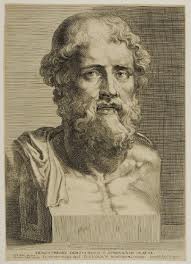
Demosthenes

3.116 palabras

English original here, see also French, German, Polish

Capítulo 1 aquí, Capítulo 16 aquí, Capítulo 18 aquí

¿Es la democracia un buen sistema desde una perspectiva Blanca racialmente consciente?

1. Cuando tanto los Estados Unidos como Corea del Norte se definen a sí mismos como democracias, es seguro concluir que “democracia” significa casi todo y prácticamente nada. Para mi tesis, definiré democracia como la idea de que el poder de tomar decisiones políticas debería residir en los “muchos”.

Por los “muchos”, me refiero a más que una minoría, pero menos que la totalidad. Una sociedad puede ser gobernada por un hombre, por unos pocos hombres o por muchos hombres. Pero no puede ser gobernada por todos los hombres, ya que toda sociedad tiene algunas personas a las cuales no se les puede permitir ejercer el poder político, como, por ejemplo, los menores, los dementes, los criminales, etc.

2. La mayoría de los Nacionalistas Blancos tienden fuertemente hacia el elitismo, a pesar de que las opiniones de la mayoría sobre cuestiones como el nacionalismo económico y la inmigración no-Blanca son mucho más sensatas que las de las élites gobernantes que están imponiendo al pueblo la globalización y el reemplazo racial. Si las sociedades Blancas fueran verdaderamente democráticas en estos asuntos, estaríamos mucho mejor. Pero, aunque las llamadas democracias de hoy podrían mejorar si fueran más democráticas, eso difícilmente es un argumento a favor de la democracia como tal.

3. Me gustaría argumentar que la democracia, definida como poner la soberanía política en manos de los muchos, no es un buen sistema para los Blancos racialmente conscientes; ni para nadie, en realidad. Para exponer mis argumentos, sin embargo, debo, simple y llanamente, distinguir la democracia de un par de ideas buenas que son tan parecidas a la democracia que a menudo se las confunde con ella.

4. La primera buena idea que se confunde con democracia es lo que denominaré “populismo”, o principio de soberanía popular, o principio del bien común. Defino este principio como la idea de que el gobierno sólo es legítimo si sirve al bien común de un pueblo.

En su Política, Aristóteles convierte este principio en ley suprema y en criterio para distinguir entre buenas y malas formas de gobierno. Cuando un solo hombre gobierna para el bien común, tenemos monarquía. Cuando gobierna en su propio beneficio, tenemos tiranía. Cuando los pocos gobiernan para el bien común, tenemos aristocracia. Cuando los pocos gobiernan en su beneficio personal y de facción, tenemos oligarquía. Cuando los muchos gobiernan para el bien común, tenemos lo que Aristóteles llama “politeía”. Cuando los muchos gobiernan en su beneficio personal y de facción, tenemos democracia.

Sí, para Aristóteles, la democracia es por definición una mala forma de gobierno. Pero cree que esa “politeía” ―gobierno popular para el bien común― es al menos concebible.

La idea de que el bien común es el fin apropiado de la política es a menudo confundida con la democracia, pero no son lo mismo. El bien común puede ser cumplido por un hombre, por los pocos, por los muchos. Es más, es una cuestión abierta qué grupo ―uno, pocos, muchos― es más capaz de asegurar el bien común de todos.

Los Nacionalistas Blancos somos, por supuesto, populistas raciales. Creemos que el único régimen legítimo es el que asegura la existencia de nuestro pueblo y un futuro para los niños Blancos.

5. La segunda buena idea que a menudo se confunde con la democracia es un llamado régimen “mixto” que tiene algún elemento democrático. Por ejemplo, Estados Unidos tiene una constitución mixta con elementos de monarquía (el presidente), aristocracia (la Corte Suprema y el Senado antes de ser popularmente elegido) y democracia (la Cámara de Representantes). La propia democracia representativa es un sistema híbrido, ya que los muchos eligen a un hombre o a unos pocos para representar sus intereses. Prácticamente todas las sociedades Europeas de hoy tienen constituciones mixtas con elementos monárquicos, aristocráticos y democráticos, al igual que la antigua Roma y Esparta (la cual no era técnicamente monárquica, ya que tenía dos reyes al mismo tiempo).

En su Política, Aristóteles sostiene que es más probable que un régimen mixto asegure el bien común que uno no mixto. En un régimen no mixto, el uno, los pocos o los muchos son susceptibles de perseguir sus intereses facciosos a costa del bien común, simplemente porque los demás elementos de la sociedad no tienen fuerza para oponérseles. En un régimen mixto, los tres grupos están lo suficientemente capacitados para resistir los intentos de los otros por primar sus intereses a expensas del bien común. Sí, Aristóteles fue el primer teórico de los “controles y equilibrios”.

En un régimen no mixto, tenemos que depender de la virtud de los gobernantes, dado que su egoísmo puede llevar a la sociedad a la ruina. En un régimen mixto, no tenemos que depender enteramente de la virtud de los gobernantes, ya que el uno, los pocos y los muchos participan todos en el gobierno, e incluso cuando su virtud falla, seguirán oponiéndose al egoísmo de las otras facciones por motivos de egoísmo propio.

De este modo, Aristóteles se anticipó mucho a la crítica de Maquiavelo a la teoría política antigua, a saber, que dependía demasiado de la virtud humana. Sin embargo, Aristóteles rechazaría la idea de los teóricos políticos modernos de que una buena sociedad puede surgir de motivos viles. Una buena sociedad sólo puede ser producto de estadistas virtuosos, aunque concedería que los motivos bajos pueden ser aprovechados para preservar los productos de la virtud, incluso cuando la virtud ocasionalmente se tambalea.

6. ¿Por qué la democracia pura y simple es un mal sistema? Simplemente, porque los hombres son desiguales.

Para comprender y buscar el bien común, los estadistas necesitan ciertas virtudes morales e intelectuales: sabiduría, inteligencia, coraje, justicia, autocontrol, etc. Pero estas virtudes no están distribuidas equitativamente entre la población. En consecuencia, es muy poco probable que la mayoría, al deliberar en conjunto, pueda dar con políticas que conduzcan al bien común (o incluso a sus propios intereses de facción, para el caso).

Tampoco es probable que las mayorías, trabajando conjuntamente, sean capaces de promulgar y sostener tales políticas a largo plazo.

Es más, ni siquiera se puede confiar en los muchos a la hora de elegir individuos superiores para representar sus intereses, ya que tienden a caer en las dádivas y los halagos de demagogos hábiles y sin escrúpulos.

7. Si la mayoría no tiene las virtudes necesarias para servir al bien común, entonces lo único que queda es determinar si la forma más adecuada para servir al bien común es el gobierno de un hombre (monarquía) o el de unos pocos hombres (aristocracia).

Si la virtud es el único criterio para gobernar, entonces la monarquía es el mejor sistema sólo en circunstancias extraordinarias y poco probables. Puesto que un monarca tendría que ser superlativo en toda una serie de virtudes que rara vez se combinan en un solo individuo, y aún más raramente se combinan en un grado superlativo.

Las aristocracias pueden recurrir a una amplia gama de hombres de consumada virtud: los eruditos más sabios, los oradores más conmovedores, los estrategas más astutos, los guerreros más valientes. Sólo un dios podría poseer todas estas virtudes al mismo tiempo. Si se encontrara un dios-rey así, sería el mejor de todos los sistemas de gobierno. Ya que él combinaría todas las virtudes necesarias para tomar las decisiones más sabias con el efectivo poder de decisión.

Pero es una locura depositar todas las esperanzas en un milagro. Así pues, la aristocracia es un sistema mejor que la monarquía, porque sólo los regímenes reales pueden servir al bien común.

Es más, todas las monarquías que pueden existir son en realidad aristocracias en la práctica, pues para que un rey gobierne bien, debe necesariamente elegir consejeros, delegar poderes y crear así “pares”.

8. Sin embargo, la aristocracia también tiene sus límites. El principal problema de la aristocracia es que siempre que el poder es ejercido por grupos, éstos deben deliberar, y sus deliberaciones deben ser capaces de producir decisiones. Idealmente, estas decisiones deberían ser las más sabias posibles. Pero, a veces, cualquier decisión, incluso una imprudente, es preferible a no tomar ninguna.

Hay muchos procedimientos para poner fin a una deliberación y forzar una decisión. Se puede poner un límite de tiempo a la discusión. Se pueden someter asuntos a votación. Se puede incluso echarlo a suertes lanzando una moneda. Pero, en tales casos, los seres humanos están básicamente abdicando de su responsabilidad en favor de un sistema impersonal.

You can buy Greg Johnson’s New Right vs. Old Right here

No obstante, si se necesita algo más que una decisión, si se necesita una responsabilidad por las decisiones y si se necesita un ejecutor de las decisiones, entonces se necesita una persona que pueda decidir. Esto es especialmente cierto en situaciones de emergencia, como una guerra o una época de crisis constitucional, cuando las leyes e instituciones existentes resultan inadecuadas.

Al fin y al cabo, no se puede estar gobernado únicamente mediante leyes e instituciones. Los legisladores no pueden prever cada posibilidad futura. Por lo tanto, siempre habrá circunstancias en las que los individuos tengan que tomar decisiones ante circunstancias novedosas.

E, incluso si los legisladores pudieran prever todas las circunstancias posibles, seguiríamos necesitando individuos para aplicar las leyes. Y la aplicación de la ley no puede regirse simplemente por un conjunto superior de leyes, puesto que ¿cómo aplicarlas? No se puede apelar a un tercer conjunto de leyes, puesto que esas leyes también necesitan ser aplicadas. En pocas palabras, la idea de reglas generales que rijan la aplicación de reglas generales conduce a una regresión infinita.

La única salida de esa regresión es reconocer otro tipo de inteligencia, que pueda juzgar la aplicación de reglas generales a circunstancias particulares. Es la facultad del juicio. Pero si el juicio no puede ser reducido a reglas generales abstractas y encarnarse en libros de derecho, debe encarnarse en un individuo concreto, el juez, que tiene el intelecto para comprender las reglas generales, visión para aprehender y tacto para apreciar las circunstancias concretas, así como la percepción para aplicar las primeras a las últimas.

La capacidad de juicio es necesaria en todos los niveles de un sistema, desde los tribunales de tráfico hasta los asuntos de vida o muerte de un país entero. Así, incluso la aristocracia más exaltada y refinada tiene necesidad de un monarca: alguien que tenga la responsabilidad y el poder de ejercer el juicio en situaciones excepcionales relacionadas con el destino del país en su totalidad.

La aristocracia, por necesidad, se ve abocada a abrazar la monarquía, así como la monarquía se ve abocada, por necesidad, a abrazar la aristocracia. La aristocracia es el mejor principio en circunstancias normales; la monarquía, en las situaciones de emergencia. En circunstancias normales, el monarca debe ocupar su trono y presidir las deliberaciones, pero dando la máxima latitud al orden aristocrático para garantizar las decisiones más inteligentes posibles. En situaciones de emergencia, la aristocracia debe dar el máximo apoyo al monarca para ayudarle a él, y a ellos, y al cuerpo político, a capear el temporal.

9. Pero, aunque es mucho más probable que los pocos sean capaces de discernir y ejecutar políticas favorables al bien común, una vez que tienen el poder, ¿cómo podemos estar seguros de que realmente lo harán?

Para responder a esto, debemos enfrentarnos a un hecho difícil: nunca existirá una sociedad Nacionalista Blanca a menos que podamos reunir una élite de individuos extraordinarios que la creen y la doten de instituciones sólidas. Dado que dicha sociedad sólo puede ser creada por una élite, debe, necesariamente, ser dirigida por ella. Entonces, una vez más, ¿cómo podemos asegurarnos de que tal élite, una vez instalada, busque realmente el bien común?

La respuesta es doble. Primero, hay que estructurar la élite de modo que pueda perpetuarse y mejorarse a sí misma. Segundo, hay que estructurar el sistema en conjunto para que los muchos tengan el poder de mantener a la élite sirviendo al bien común y no a sus propios intereses de facción.

10. Aunque el Nacionalismo Blanco tiene una fuerte tendencia al hereditarismo, la aristocracia y la monarquía hereditarias no son los mejores sistemas, porque existe un fuerte factor aleatorio en la herencia que hace posible que padres superiores tengan hijos inferiores y padres inferiores tengan hijos superiores.

Por tanto, si queremos ser gobernados por los mejores, necesitamos formas de a) reclutar y promover a los mejores hijos de las masas a posiciones de élite, y b) identificar y degradar a los hijos inferiores de las élites a puestos que les sean más adecuados.

De forma bastante natural, los padres de la élite naturalmente aman a sus hijos más que al bien común. Dan a sus hijos todas las ventajas de su posición. Por ello, una sociedad bien gobernada necesita tomar medidas activas para anular esas ventajas y cultivar y promover genios procedentes de circunstancias más humildes.

Una de las mejores formas de hacerlo es mediante un sistema educativo riguroso y enteramente público, en contraposición al actual sistema mixto público-privado que está diseñado para perpetuar a las actuales élites corruptas mientras asfixian o cooptan a sus rivales potenciales de entornos más humildes.

El mejor modelo institucional para una sociedad Nacionalista Blanca es la Iglesia católica, que está gobernada por una aristocracia no-hereditaria que recluta y promociona entre sus propias filas y que elige a un monarca de entre la aristocracia.

Otro modelo útil es el sistema veneciano. Aunque Venecia estaba gobernada por una élite comercial, mantenía una forma aristocrática más que una forma oligárquica de gobierno, ascendiendo o descendiendo en el estrato gobernante en base al mérito. Venecia también tenía una forma electiva de monarquía, como el Papado, y otras ciudades-Estado italianas, como Génova.

Por supuesto, una sociedad Nacionalista Blanca no estaría fundada por una aristocracia comercial o sacerdotal.

Para la Vieja Derecha, una sociedad Nacionalista Blanca estaría fundada por una aristocracia política/marcial, que se asemejaría mucho más a las órdenes de caballeros de la Edad Media, o a otra orden militante, los jesuitas, ambas modelos para las SS de Himmler.

La Nueva Derecha pretende crear una sociedad Nacionalista Blanca destronando la actual hegemonía de ideas anti-Blancas e instituyendo una contra-hegemonía de ideas pro-Blancas, difundiendo esta nueva hegemonía mediante el sistema educativo y la cultura y colonizando todo el espectro político con un abanico de opciones pro-Blancas.

El vehículo para crear y perpetuar la hegemonía Blanca es una aristocracia intelectual y espiritual, organizada como una red no jerárquica que puede penetrar, subvertir y controlar todas las instituciones existentes que conforman la conciencia y la cultura.

Tal aristocracia intelectual y espiritual no necesita preocuparse por ejercer el poder, siempre y cuando moldee suficientemente la conciencia de los que lo hacen, que es lo mismo que decir que la Nueva Derecha es un movimiento metapolítico más que político. La política es guiada desde lejos por la metapolítica.

Pero una sociedad suficientemente impregnada por la metapolítica de la Nueva Derecha tomaría la forma de un régimen mixto con liderazgo aristocrático/monárquico. Por supuesto, la mayoría de las sociedades Blancas ya tienen esencialmente ese sistema, aunque en formas más o menos degeneradas. Así pues, la metapolítica de la Nueva Derecha pretende verter un espíritu nuevo, racialmente consciente, en las instituciones existentes.

You can buy Greg Johnson’s Toward a New Nationalism here.

11. Recordemos que las dos buenas ideas que son a menudo llamadas democracia son a) el principio populista de que un sistema es justo sólo si sirve al bien común, y b) el régimen mixto con elementos monárquicos, aristocráticos y populares.

Con eso en mente, podemos plantear la siguiente pregunta. ¿Necesitan la monarquía y la aristocracia tener un elemento popular? La respuesta es: sí. Para que la monarquía y la aristocracia sirvan al bien común, es necesario que el pueblo tenga poder para limitarlas.

Pero ¿qué forma puede tomar este elemento popular, dado el evidente fracaso de la democracia representativa?

Primero, la democracia representativa puede ser mejorada incrementando la calidad y disminuyendo la cantidad del electorado. Se podría limitar el voto a los cabezas de familia, a los propietarios o a los trabajadores remunerados. Se podría elevar la edad mínima para votar. Se podrían establecer requisitos educativos y de servicio público. Se podría dar votos extra a los muy inteligentes. En pocas palabras, es más probable que una democracia elija a una aristocracia si se utiliza el principio aristocrático para determinar el electorado.

Segundo, dado que la democracia funciona mejor en comunidades pequeñas y homogéneas, se debería adoptar el principio de “subsidiariedad”, lo que significa que cualquier asunto debería ser tratado por la autoridad más pequeña, menos centralizada y más cercana a las bases, siempre que sea capaz de lidiar eficazmente con el problema. La subsidiariedad permitiría una democracia deliberativa, “directa”, y también mejoraría la democracia representativa, ya que cuanto más pequeña sea la comunidad, más responsables serán los representantes electos.

Tercero, aunque los muchos están menos calificados que los pocos para formular y ejecutar políticas nacionales, el pueblo es muy consciente de las políticas dañinas, como el libre comercio y la inmigración de sustitución racial.

Por ello, el pueblo o sus representantes deben tener el poder de vetar la legislación contraria al bien común. El pueblo también debería tener el poder de destituir a los funcionarios públicos, incluidos los jueces, que sean contrarios al bien común.

Para evitar que el pueblo y los demagogos abusen de estos procesos, éstos deberían, por supuesto, estar limitados a circunstancias extraordinarias. Podrían llevarse a cabo, por ejemplo, convocando elecciones especiales, referendos o plebiscitos.

Cuarto, el pueblo también debería poder proponer e imponer su propia legislación por medio de elecciones especiales e iniciativas de consulta. Nuevamente, para prevenir abusos, éstos tendrían que limitarse a circunstancias extraordinarias.

Quinto, para mantener la honradez de las élites, los antiguos griegos otorgaron al pueblo el poder de auditar las cuentas públicas.

Con un poco de imaginación, se podría ampliar aún más esta lista. Ninguna de estas medidas obstaculizaría a los servidores honestos del bien común. Pero proporcionarían poderosos elementos disuasorios contra la corrupción.

12. Los poderes fácticos han invertido mucho en promover el valor de la diversidad, incluso mientras aplican políticas que sistemáticamente la destruyen. Esto ha jugado a favor de la Nueva Derecha, ya que somos los verdaderos defensores de la diversidad biológica y cultural humana.

Del mismo modo, la clase dirigente ha invertido mucho en hacer de la democracia un ídolo, incluso cuando ignoran la voluntad del pueblo y pisotean el bien común.

Esto también puede redundar en beneficio de la Nueva Derecha, porque, aunque seamos francos elitistas sin complejos, podemos sostener con toda honestidad que representamos la “verdadera democracia”, o lo que es verdadero en la democracia, a saber, el principio del bien común y la idea de que, en nombre del bien común, el pueblo debe tener el poder de resistir la corrupción de las élites.

Nueva Derecha vs. Vieja Derecha Capítulo 17: Notas Sobre el Populismo, el Elitismo y la Democracia

Nueva%20Derecha%20vs.%20Vieja%20Derecha%0ACap%C3%ADtulo%2017%3A%20Notas%20Sobre%20el%20Populismo%2C%20el%20Elitismo%20y%20la%20Democracia%0A

Share

  • Gab

Enjoyed this article?

Be the first to leave a tip in the jar!

Instant Echeck GreenPay™

*  *  *

Counter-Currents has extended special privileges to those who donate at least $10/month or $120/year.

  1. Donors will have immediate access to all Counter-Currents posts. Everyone else will find that one post a day, five posts a week will be behind a “paywall” and will be available to the general public after 30 days. Naturally, we do not grant permission to other websites to repost paywall content before 30 days have passed.
  2. Paywall member comments will appear immediately instead of waiting in a moderation queue. (People who abuse this privilege will lose it.)
  3. Paywall members have the option of editing their comments.
  4. Paywall members get an Badge badge on their comments.
  5. Paywall members can “like” comments.
  6. Paywall members can “commission” a yearly article from Counter-Currents. Just send a question that you’d like to have discussed to [email protected]. (Obviously, the topics must be suitable to Counter-Currents and its broader project, as well as the interests and expertise of our writers.)

To get full access to all content behind the paywall, please visit our redesigned Paywall page. 

Related

  • Who’s Looking Back?

  • The Robot Hotdog Stand

  • José Pedro Zúquete’s The Identitarians

  • Counter-Currents Radio Podcast No. 689

  • Remigration is Inevitable Part 3

  • Why Billionaires Should Fund White Identity Politics

  • The Philosopher Is In Preorder

  • Keith Wood’s Elevator Pitch to a Billionaire

Tags

aristocracyAristotledemocracyelitismGreg Johnsonin Spanishin translationJohnson on populismmonarchyNew Right vs. Old RightNueva Derecha vs. Vieja Derechapaywallpolitical philosophypopulismthe mixed regimethe PapacyVenicewhite nationalism

If you have a Subscriber access,
simply login first to see your comment auto-approved.

Post a comment Cancel reply

Note on comments privacy & moderation

Your email is never published nor shared.

Comments are moderated. If you don't see your comment, please be patient. If approved, it will appear here soon. Do not post your comment a second time.

Upcoming podcasts
  • Rob Rundo on Counter-Currents Radio

    Rob Rundo on Counter-Currents Radio

    Counter-Currents Radio

    Sat, Jun 13th — 3 pm EST / 9 pm CET
  • Daniel Tyrie on Counter-Currents Radio

    Daniel Tyrie on Counter-Currents Radio

    Counter-Currents Radio

    Sat, Jun 20th — 3 pm EST / 9 pm CET

Writers of May

(2 votes) Morris van de Camp David M. Zsutty Derek Stark Jayant Bhandari Greg Johnson

Articles of May

The Lunch Wars by David M. Zsutty Heidegger on Nietzsche, Part One by Collin Cleary 2 votes
    • Editor’s Update
      Rob Rundo Rescheduled to Next Week on Counter-Currents Radio;
      Tonight Greg Johnson & David Zsutty Answer Your Questions;
      Fundraiser Update & a New $20,000 Matching Grant

      Greg Johnson

    • The Counter-Currents 2026 Fundraiser
      Lifetime Subscriber Welcome Packages Extended

      Greg Johnson

    • Nationalism This Week
      Who’s Looking Back?

      Greg Johnson

      21

    • China’s Threat to American Security:
      Food, Farmland, Foreign Control, & Energy Policy

      Lipton Matthews

      1

    • The Bitter End of Western Metaphysics:
      Heidegger on Nietzsche, Part Two

      Collin Cleary

      11

    • The Killing of Henry Nowak

      Mark Gullick

      28

    • The Crisis of Chinese Technology Thieves

      Morris van de Camp

      1

    • The Strange World of Gender Bender Fiction:
      & What This Genre Tells Us About Autosexuality

      Dani Vypont

      3

    • Watching the Watchers:
      The Dark Triad Question

      David M. Zsutty

      14

    • The Remigration Movement Solidifies

      F. Roger Devlin

      1

    • Casting Aspersions:
      The Fatal Consequences of Race-Swapped Casting, From Helen of Troy to Henry of Southampton

      Steven Tucker

      20

    • The Murder of Henry Nowak

      Millennial Woes

      23

    • Don’t Forget to Vote in Our Writer & Article of the Month Poll

      Greg Johnson

    • The Robot Hotdog Stand

      Greg Johnson

      35

    • Laughing Our Way to Victory

      Dave Chambers

      7

    • The Zodiac Killer

      Mark Gullick

      11

    • Jared Taylor: What Rome Means to Me

      Jared Taylor

      1

    • An Interview with Endeavour:
      My Way of Life Is an Adventure!

      Ondrej Mann

      6

    • José Pedro Zúquete’s The Identitarians

      Greg Johnson

      3

    • Editor’s Update
      Fundraiser Update & How to Watch the Remigration Summit

      Greg Johnson

      5

    • The Bitter End of Western Metaphysics:
      Heidegger on Nietzsche, Part One

      Collin Cleary

      11

    • Berlin: City of Stones

      Spencer J. Quinn

      6

    • True Folk-Horror Is Horror of Your Own Folk:
      Mark Gatiss vs the Brexit Blind Dead  

      Steven Tucker

      4

    • Counter-Currents Radio Podcast No. 689
      Thomas Massie, the America 2050 Bust, the Need for Whites to Divest from America, the AI Economic Apocalypse, & Pro-White Project Pitches to Billionaires

      Counter-Currents Radio

      7

    • Nationalism This Week
      Remigration is Inevitable, Part 3

      Greg Johnson

      27

    • Why Billionaires Should Fund White Identity Politics

      Lipton Matthews

      8

    • How Cold War Two Came About

      Morris van de Camp

      5

    • Now Available for Pre-Order at a Special Price!
      Greg Johnson’s The Philosopher Is In

      Greg Johnson

    • David Zsutty’s Elevator Pitch to a Billionaire

      David M. Zsutty

      1

    • Headbanging Lite

      Mark Gullick

      5

    • White Advocacy Past and Present

      Peter Bradley

      13

    • The Lunch Wars

      David M. Zsutty

      47

    • The Russians are Coming/The Russians are Coming

      Steven Clark

      1

    • Peak Fatigue in Fort Wayne

      Gabriel Anderson

      24

    • Keith Woods’ Elevator Pitch to a Billionaire

      Keith Woods

    • The Cruelty of Kindness

      Morris van de Camp

      9

    • Predation Wearing the Mask of Civilization

      Jayant Bhandari

      13

    • The Mandalorian & Grogu

      Trevor Lynch

      24

    • Editor’s Update
      Fundraiser Update & a New $20,000 Matching Grant
      Greg Johnson & David Zsutty Discuss Thomas Massie on Counter-Currents Radio

      Greg Johnson

      2

    • How the Jews Defeated Thomas Massie—& Themselves

      David M. Zsutty

      25

    • Jared Taylor’s Elevator Pitch to a Billionaire

      Jared Taylor

      15

    • Nationalism This Week
      Remigration Is Inevitable, Part 2

      Greg Johnson

      8

    • Could Fascism Work?

      Mark Gullick

      40

    • Jonathan Bowden’s Deliverance
      Part 7

      Jonathan Bowden

    • China’s Quiet Hand:
      Influence, Infiltration, & the Western Blind Spot

      Lipton Matthews

      9

    • Counter-Currents Radio Podcast No. 688
      Tyler Dykes on Running for US Congress in South Carolina

      Counter-Currents Radio

      3

    • Lothrop Stoddard’s The Revolt Against Civilization

      Spencer J. Quinn

      14

    • Lewis Strauss Did Nothing Wrong:
      How the politics of the Atom Bomb during the early Cold War Apply to Artificial Intelligence Today

      Morris van de Camp

      14

    • The Ghost of the Confederacy

      Dave Chambers

      12

    • America’s Century of Humiliation has Begun

      Greg Johnson

      27

    • AdamMil

      Who’s Looking Back?

      Massive hardware. To run something like Grok you'd need terabytes of GPU memory. That said, for...

    • AdamMil

      Who’s Looking Back?

      Don’t be too sure. There have already been multiple experiments showing that modern AIs may turn on...

    • Hi-ya!

      Who’s Looking Back?

      I use the following commands if I feel ai is getting to wound up, yes I got it from ai but it’s...

    • Collin Cleary

      Heidegger on Nietzsche, Part Two

      Oh no, not so. For the Overman, truth is entirely relative and subjective. Remember: he gets to...

    • Connor McDowell

      Who’s Looking Back?

      HAL9000 in 2001 was never truly “sentient”. “His” programming had a conflict that couldn’t be...

    • Will Williams

      Nationalism This Week: Victory First

      There are several C-C essays that mention Gaza, but this appears to be the only one where comments...

    • Observer

      Heidegger on Nietzsche, Part Two

      In Platonism, we find the insistence that being, true being, is identical with “the forms.” The...

    • JBP

      Heidegger on Nietzsche, Part Two

      Thanks. Unfortunately I must fall into the 95% that Jane refers to. My brain is not putting the...

    • Will Williams

      Who’s Looking Back?

      Vauquelin: June 7, 2026 ...You must judge AI/LLM based on those who control it. With the likes of...

    • Hi-ya!

      Heidegger on Nietzsche, Part Two

      Love to engage in this with more attention ; I’ve never seen “clearing” in presocratics and my hot...

    • Vauquelin

      Who’s Looking Back?

      You must judge AI/LLM based on those who control it. With the likes of Sam Altman and Alex Karp...

    • Chud

      Who’s Looking Back?

      There's another dangerous option where homebrew AI models scale up and the consumers get their...

    • Gabe

      Who’s Looking Back?

      Boom. Nailed it.

    • Joe Gould

      The Killing of Henry Nowak

      This is a good article. The only thing I want to add is, above all we must guard ourselves against...

    • Greg Johnson

      Who’s Looking Back?

      Thank you I also wonder if these AI bots are being used to gather intelligence on influential...

    • E_Perez

      Heidegger on Nietzsche, Part Two

      "Philosophy helps Western man understand how we got to where we are, and where things went wrong...

    • Chud

      Who’s Looking Back?

      I'll try to give a rundown. AI is a language learning model (LLM) that uses floating point...

    • Will Williams

      How the Jews Defeated Thomas Massie—And Themselves

      Massie to Honor USS Liberty Crew on House Floor [email protected]  June 6, 2026  thomas...

    • JBP

      Editor’s Update

      Sorry but... Wrong, wrong wrong and wrong. The current momentum of history will not change with a...

    • Will Williams

      The SPLC Indictment

      The indictment of the Southern Poverty Law Center by the Department of Justice on 21 April is...

    • Earth Day Special

      John Morgan

      12

    • A Robertson Roundup
      Remembering Wilmot Robertson
      (April 16, 1915 – July 8, 2005)

      Margot Metroland

      13

    • The Paranoid Style in White Nationalism

      Greg Johnson

      30

    • Join the Dance!

      Andrew Hamilton

      1

    • We Can’t Save the Earth Without Reducing African Birth Rates

      James Dunphy

      36

    • “I’m Not a Conspiracy Theorist, but . . .”:
      Jeffrey Epstein’s Death Gives New Life to “Conspiracy Theories”

      Greg Johnson

      22

    • Sylvia Plath: Stasis in Darkness

      Vic Olvir

      17

    • Vanguardism, Vantardism, & Mainstreaming

      Greg Johnson

      80

    • Aviation, Geography, & Race

      Charles Lindbergh

      3

    • Some Thoughts on Yule

      Collin Cleary

      4

    • Living in Truth:
      A Yuletide Homily

      Jef Costello

      7

    • John Kennedy Toole’s A Confederacy of Dunces

      Greg Johnson

      20

    • On Aleksandr Solzhenitsyn’s Warning to the West

      Spencer J. Quinn

      7

    • Elitism, British Modernism, & Wyndham Lewis

      Jonathan Bowden

      6

    • Philip K. Dick’s Do Androids Dream of Electric Sheep? as Anti-Semitic/Christian-Gnostic Allegory

      Greg Johnson

      20

    • “Conspiracy Theory” or Conspiracy?

      Andrew Hamilton

      21

    • Remembering H. P. Lovecraft
      (August 20, 1890–March 15, 1937)

      Greg Johnson

      3

    • Who Are We?
      Nordics, Aryans, & Whites

      Greg Johnson

      71

    • Remembering William Gayley Simpson
      (July 23, 1892–December 31, 1990)
      A Pleasant Afternoon with Harriet & Bill Simpson

      Margot Metroland

      18

    • Here are the Young Men
      Remembering Ian Curtis
      (July 15, 1956–May 18, 1980)

      Mark Gullick

      18

    • Percy Grainger
      Artist of the Right

      Alex Graham

      7

    • Remembering Revilo Oliver
      (July 7, 1908–August 20, 1994)

      Greg Johnson

      18

    • The Meaning of July 4th for the White Man

      Gregory Hood

      13

    • The Front National’s Evolution

      Bruno Mégret

    • Merwin K. Hart
      Forgotten American Hero & Man of the Right

      Morris van de Camp

      10

    • George Orwell’s Nineteen Eighty-Four

      Jonathan Bowden

      8

    • Carleton S. Coon
      Scientist & Reluctant White Advocate

      Morris van de Camp

      3

    • The Kwanzaa Absurdity Will Be Dwarfed by Juneteenth

      Robert Hampton

      10

    • Stravinsky

      Alex Graham

      7

    • Like the Roman:
      Remembering Enoch Powell (1912-1998)

      Mark Gullick

      23

    • Neo-Fascism in Film
      Part 5

      Karel Veliky

      15

    • The Game of Tarot

      Mark Gullick

      1

    • Institutions Cannot Be Transplanted

      Jayant Bhandari

      5

    • Jonathan Bowden’s Deliverance
      Part 5

      Jonathan Bowden

    • Crosstown Traffic:
      Jimi Hendrix & The Post-War Rock ‘N’ Roll Revolution

      Mark Gullick

      1

    • Slaves from the North:
      Finns & Karelians in the East European Slave Trade, 900–1600

      Lipton Matthews

      14

    • Neo-Fascism in Film
      Part 4

      Karel Veliky

      2

    • David Lean’s A Passage to India

      Spencer J. Quinn

      1

    • Elites are Essential to Development

      Lipton Matthews

      7

    • Jonathan Bowden’s Deliverance
      Part 4

      Jonathan Bowden

    • Neo-Fascism in Film
      Part 3

      Karel Veliky

      6

    • E. M. Forster’s A Passage to India & the Indian Mentality

      Spencer J. Quinn

      25

    • Jonathan Bowden’s Deliverance
      Part 3

      Jonathan Bowden

    • The Rest Is Silence
      Heidegger’s Quietism

      Mark Gullick

      2

    • Dispelling the Historical Fallacy of Indian Nationalism

      Lipton Matthews

      8

    • Neo-Fascism in Film
      Part 2

      Karel Veliky

      8

    • Jonathan Bowden’s Deliverance
      Part 2

      Jonathan Bowden

    • Life of a Klansman

      Mark Gullick

      8

    • Jonathan Bowden’s Deliverance, Part 1

      Jonathan Bowden

    • Decolonial Ideas are Holding Back Developing Countries

      Lipton Matthews

      8

    • Neo-fascism in Film, Part 1

      Karel Veliky

      21

    • Jonathan Bowden’s Onslaught, Part 8
      Divigations on Decadence

      Jonathan Bowden

    • Jonathan Bowden’s Onslaught, Part 7
      Intrigues in the National Front

      Jonathan Bowden

      1

    • Rotten to the Core

      Mark Gullick

      8

    • Strauss on Husserl’s “Philosophy as Rigorous Science”

      Greg Johnson

    • Jonathan Bowden’s Onslaught, Part 6
      Francis Bacon & Right-Wing Nihilism

      Jonathan Bowden

    • London After (& Before) Midnight:
      Aleister Crowley, The Landlord’s Worst Nightmare

      James J. O'Meara

      2

    • Jonathan Bowden’s Onslaught, Part 5
      The Post-War British Far Right

      Jonathan Bowden

    • No Rules: Rollerball

      Mark Gullick

      4

    • Jonathan Bowden’s Onslaught, Part 3
      Brett Easton Ellis’ American Psycho

      Jonathan Bowden

    • András László
    • Derek Hawthorne
    • Beau Albrecht
    • Alain de Benoist
    • Kerry Bolton
    • Jonathan Bowden
    • Collin Cleary
    • Jef Costello
    • Savitri Devi
    • Julius Evola
    • Jim Goad
    • Gregory Hood
    • Juleigh Howard-Hobson
    • Greg Johnson
    • Charles Krafft
    • Anthony M. Ludovici
    • Trevor Lynch
    • H. L. Mencken
    • J. A. Nicholl
    • James J. O’Meara
    • Christopher Pankhurst
    • Tito Perdue
    • Michael Polignano
    • Spencer J. Quinn
    • Fenek Solère
    • Irmin Vinson
    • Leo Yankevich
    • Francis Parker Yockey
    • Multiple authors
  • Editor-in-Chief

    • Greg Johnson, Ph.D.

    Featured Writers

    • Beau Albrecht
    • Gunnar Alfredsson
    • Collin Cleary, Ph.D.
    • Jef Costello
    • Morris V. de Camp
    • F. Roger Devlin, Ph.D.
    • Stephen Paul Foster, Ph.D.
    • Jim Goad
    • Alex Graham
    • Mark Gullick, Ph.D.
    • Greg Johnson, Ph.D.
    • Travis LeBlanc
    • Trevor Lynch
    • Margot Metroland
    • James J. O’Meara
    • Angelo Plume
    • Spencer J. Quinn
    • Fred Reed
    • Clarissa Schnabel
    • Michael Walker
    • David M. Zsutty

    Frequent Writers

    • Asier Abadroa
    • Aquilonius
    • Alain de Benoist
    • Kerry Bolton, Ph.D.
    • Dave Chambers
    • Steven Clark
    • James Dunphy
    • Endeavour
    • Richard Houck
    • Jason Kessler
    • Titus Livius
    • Ondrej Mann
    • Lipton Matthews
    • Mark Mazari
    • John Morgan
    • Jaroslav Ostrogniew
    • Kathryn S.
    • Christian Secor
    • Anne Wilson Smith
    • Thomas Steuben
    • William De Vere
    • Kenneth Vinther
    • Max West

    Classic Authors

    • Maurice Bardèche
    • Jonathan Bowden
    • Julius Evola
    • Guillaume Faye
    • Ernst Jünger
    • Kevin MacDonald, Ph.D.
    • D. H. Lawrence
    • Charles Lindbergh
    • Jack London
    • H. P. Lovecraft
    • Anthony M. Ludovici
    • Sir Oswald Mosley
    • National Vanguard
    • Friedrich Nietzsche
    • Revilo Oliver
    • William Pierce
    • Ezra Pound
    • Saint-Loup
    • Savitri Devi
    • Carl Schmitt
    • Miguel Serrano
    • Oswald Spengler
    • P. R. Stephensen
    • Jean Thiriart
    • John Tyndall
    • Dominique Venner
    • Leo Yankevich
    • Francis Parker Yockey

    Other Authors

    • Howe Abbott-Hiss
    • Michael Bell
    • Giles Corey
    • Jack Donovan
    • Richardo Duchesne, Ph.D.
    • Emile Durand
    • Guillaume Durocher
    • Mark Dyal
    • Tom Goodroch
    • Andrew Hamilton
    • Robert Hampton
    • Huntley Haverstock
    • Derek Hawthorne
    • Gregory Hood
    • Juleigh Howard-Hobson
    • Alexander Jacob
    • Ruuben Kaalep
    • Tobias Langdon
    • Julian Langness
    • Patrick Le Brun
    • G A Malvicini
    • John Michael McCloughlin
    • Millennial Woes
    • Michael O’Meara
    • Christopher Pankhurst
    • Michael Polignano
    • J. J. Przybylski
    • Quintilian
    • Edouard Rix
    • C. B. Robertson
    • C. F. Robinson
    • Herve Ryssen
    • Alan Smithee
    • Fenek Solere
    • Ann Sterzinger
    • Robert Steuckers
    • Tomislav Sunic
    • Donald Thoresen
    • Marian Van Court
    • Irmin Vinson
    • Book Reviews
    • Movie Reviews
    • TV Reviews
    • Music Reviews
    • Art Criticism
    • Graphic Novels & Comics
    • Video Game Reviews
    • Fiction
    • Poems
    • Interviews
    • Videos
    • English Translations
    • Other Languages
      • Arabic
      • Bulgarian
      • Croatian
      • Czech
      • Danish
      • Dutch
      • Estonian
      • Finnish
      • French
      • German
      • Greek
      • Hungarian
      • Italian
      • Lithuanian
      • Norwegian
      • Polish
      • Portuguese
      • Romanian
      • Russian
      • Slovak
      • Spanish
      • Swedish
      • Ukrainian
    • Commemorations
    • Why We Write
  • Archives
  • Top 100 Commenters
  • The Looney Bin
Sponsored Links
Europa.com Above Time Coffee Antelope Hill Publishing Paul Waggener IHR-Store Spencer J. Quinn American Renaissance Jim Goad The Occidental Observer
Donate Now Mailing list
Books for sale
  • The Philosopher Is In
  • Sexual Utopia in Power (Expanded Edition)
  • In Defense of Prejudice
  • Loving Our Own
  • Tyranny & Wisdom
  • The Populist Moment
  • Is America Doomed?
  • To all books
Copyright © 2026 Counter-Currents Publishing, Ltd.

Paywall Access


Please enter your email address.

Lost your password?

Edit your comment

Writer & Article of the Month May 2026

Voting for this month has concluded. Here are the final results!

Top Writers

  • #1 Morris van de Camp 2 votes
  • #2 David M. Zsutty 2 votes
  • #3 Derek Stark 2 votes
  • #4 Jayant Bhandari 2 votes
  • #5 Greg Johnson 2 votes
  • #6 Jared Taylor 1 vote
  • #7 Collin Cleary 1 vote
  • #8 Spencer J. Quinn 1 vote
  • #9 Mark Gullick 1 vote
  • #10 Lipton Matthews 1 vote
  • #11 Keith Woods 1 vote
  • #12 Steven Tucker 1 vote

Top Articles

  • #1 The Lunch Wars 2 votes
  • #2 Heidegger on Nietzsche, Part One 2 votes
  • #3 Could Fascism Work? 1 vote
  • #4 Jared Taylor's Elevator Pitch to a Billionaire 1 vote
  • #5 Predation Wearing the Mask of Civilization 1 vote
  • #6 Peak Fatigue in Fort Wayne 1 vote
  • #7 Keith Wood's Elevator Pitch to a Billionaire 1 vote
  • #8 Do You Want to Play a Game? 1 vote
  • #9 Why Billionaires Should Fund White Identity Politics 1 vote
  • #10 The 1970s: The Golden Age of Hijacking 1 vote
  • #11 True Folk-Horror Is Horror of Your Own Folk 1 vote
  • #12 Finding Atlantis Part 4 1 vote
  • #13 Berlin: City of Stones 1 vote
  • #14 The Ghost of the Confederacy 1 vote
  • #15 Lothrop Stoddard’s The Revolt Against Civilization 1 vote

Total votes cast: 17

Insert/edit link

Enter the destination URL

Or link to existing content

    No search term specified. Showing recent items. Search or use up and down arrow keys to select an item.