In the late 1980s I lived in Brixton, South London. The London in England, that is, not the one in Kentucky or the dozen or so other Londons that are dotted across North America. Occasionally, on a Saturday night after the pubs closed, my friends and I would pile over to the all-night movie show. The famous cinema there was called The Ritzy—formerly The Little Bit Ritzy—and it was a flea-bitten old pit, a relic from the pre-TV golden age of British cinemas. (more…)
Tag: Napoleonic Wars
-
2,716 words
Theodor Fontane (1819-1898) is widely regarded in Europe as the major example of German realist writing in the second half of the nineteenth century, although Americans have barely heard of him, obsessed as we are (or at least our German Lit. departments and New York arbiters of taste) with Thomas Mann. (more…)
-
A new film directed by Thomas Napper, Widow Clicquot, is a period piece that avoids guns, histrionics, spectacle and passion. Well, not exactly avoiding passion, but depicting passion with wine, land, and production. (more…)
-
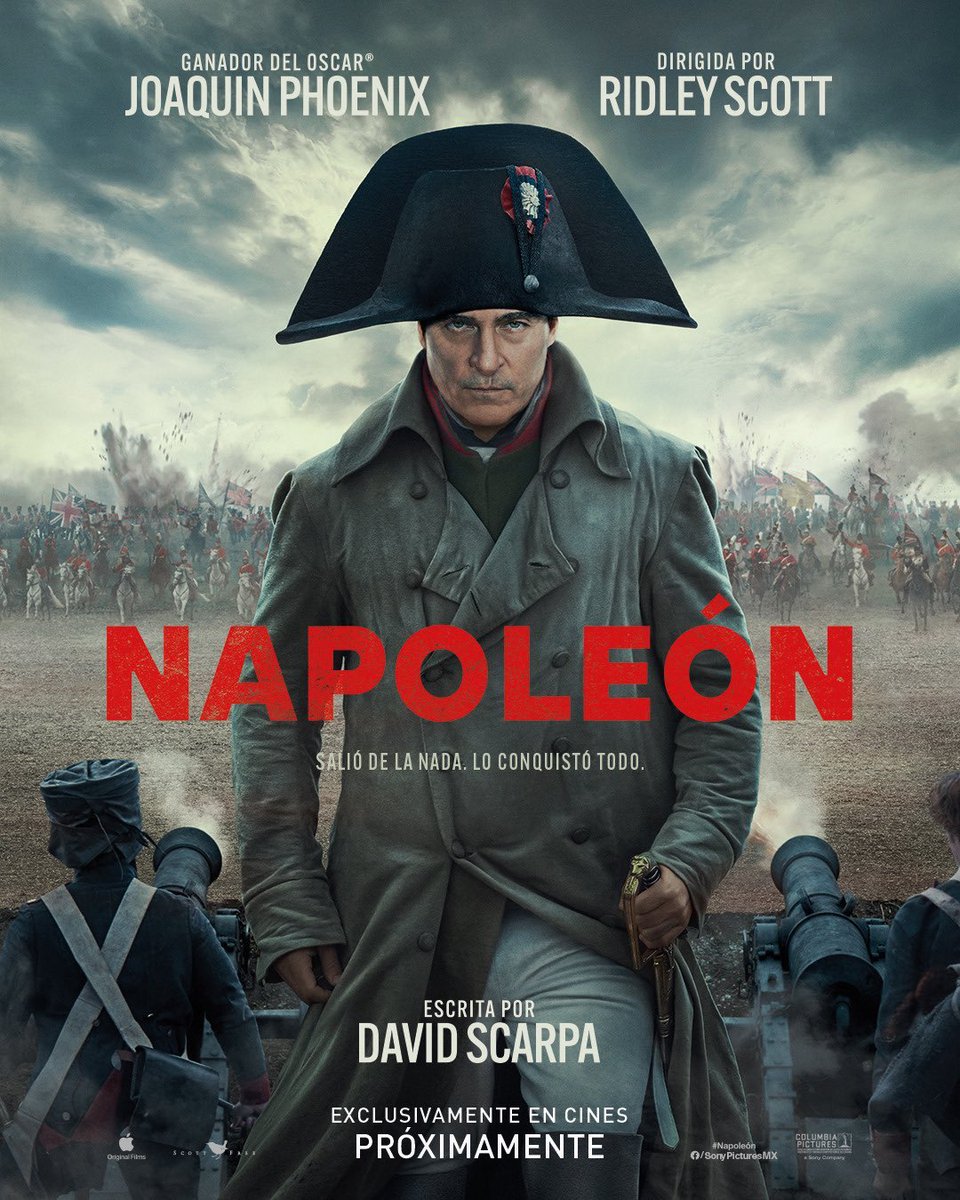
Ridley Scott’s Napoleon is a bad movie, but not a terrible one. There are legions of nerds complaining about how Scott got this or that historical detail wrong. Honestly, that’s beside the point. Even if Scott didn’t know Saint Helena from Elba, he could still have made a great movie.
Everyone has heard of Napoleon. But what’s so great about Napoleon? Any film about Napoleon needs to answer that question. But in nearly three hours’ screen time, Scott fails to do so. (more…)
-
Part 3 of 3 (Part 1 here, Part 2 here)
1. Fichte on the Nature of the State
We began to explore Fichte’s political philosophy in the last installment, as expounded primarily in his 1796 work Foundations of Natural Right. It is a basic principle of Fichte’s philosophy that subjectivity, what he calls the “I,” must bring nature under the control of reason. (more…)
-
Part 2 of 2 (Part 1 here)
II. To Winter Wonderlands
The road through the Almond and Raisin Gate led Nutcracker and Marie to Rock Candy Mountain and the Christmas Woods, Bon-Bonville, Marzipan Castle, and Jamburg. Upon crossing Lemonade River, six monkeys in red vests began “playing the most beautiful Turkish military music,” while they walked “farther and farther on multicolored tiles, which, however, were nothing but nicely filled lozenges.” (more…)
-

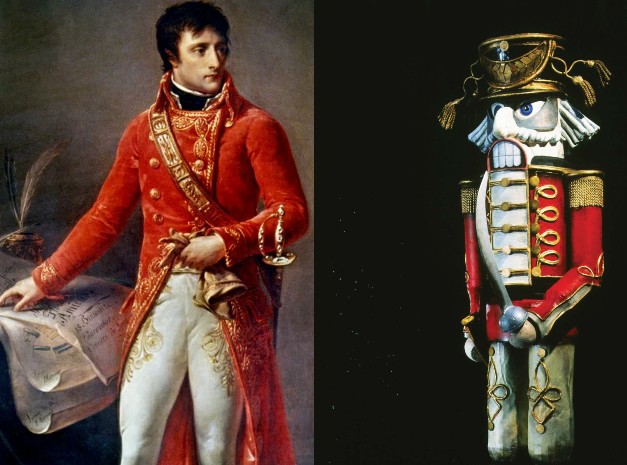
Left: Antoine-Jean Gros, Premier Consul Bonaparte, ca. 1802; Right: Cover for E. T. A. Hoffmann and Alexandre Dumas’ The Nutcracker & the Mouse King
5,234 words
Part 1 of 2 (Part 2 here)
Like many of us this past season, I have had to endure far too many repetitions of the same 11 ”holiday” songs that fail to capture the essence of the season: the contemplative, dirge-y, or haunted side of winter, paired with the tasteful emotional warmth and childlike joy of Christmas. (more…)
-
7,128 words
“The more I see of the world, the more am I dissatisfied with it.” — Jane Austen, Pride and Prejudice
The last article of mine that our editors at Counter–Currents kindly published was about the masculine topic of military history. To complement a foray into the Napoleonic Wars, I included a clip from the 1970 film Waterloo.[1] In the comments, a reader shared an observation about one of the few Waterloo scenes that did not take place on a battlefield. Instead, this particular scene immersed audiences in a Brussels high-society fête, where the Duchess of Richmond hosted the Duke of Wellington’s officers at her famous summer Ball of 1815. (more…)
-
1,990 words
1. Homer, Iliad. W. C. Bryant, trans. Perth, Aus.: Imperium Press, 2019, 576 pp.: While everyone knows the story, few people today have actually read it. You can bet that almost every great military commander in Western history read it. Composed during the Greek “Dark Ages” and (probably) based on a real event, Iliad is an echo of the even earlier Bronze Age — of war’s power at its all-encompassing, glorious, and terrible pinnacle. (more…)
-
4,571 words
Part 2 of 2 (Part 1 here)
2. Rage Militaire: Franco-American Zouave-mania
“His parents taught him to be a cavalier, but the life of the Zou-zou he much did prefer.” — anonymous Confederate verse
“The city,” one Richmond, Virginia newspaperman enthused, “was yesterday thrown into a paroxysm of excitement by the arrival of the New Orleans Zouaves — a battalion of six hundred and thirty, as unique and picturesque looking Frenchmen as ever delighted the oculars of Napoleon the three.” (more…)
-
5,174 words
1. The Greatest Unread Philosopher in History
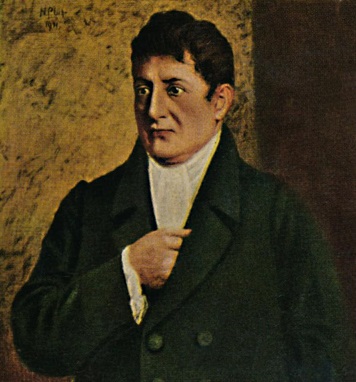
Chances are you may never even have heard of the German philosopher Johann Gottlieb Fichte (1762-1814). If you have heard of him, you probably have the vague idea that he was a follower of Kant who went off the reservation and tried to defend the bizarre position that all of reality is the creation of something called the “Absolute Ego.” This is how he is often treated in histories of philosophy. But this characterization of Fichte is completely wrong. (more…)
-
Part 2 of 2. Part 1 here.
Schleiermacher’s Philosophy of Mind
According to Schleiermacher, the task of philosophy is the “immersion of the Spirit into the innermost depths of itself and of things in order to fathom the relations of their [spirit and nature] being-together.”[1] Schleiermacher’s philosophy, like German idealism in general, was very influenced by, and a reaction to, the critical transcendental philosophy of Immanuel Kant. (more…)
-