Earlier this month on Counter-Currents, I wrote about the Left-wing Irish ruling elite’s wretched attempts to transform the country’s main female religious icon, St Brigid, into the patron saint not of Ireland, but of abortion, lesbianism, and globalization. Then, on March 17, St Patrick’s Day arrived, and these very same godawful eejits decided to repeat exactly the same trick a second time. Their new victim was the nation’s chief male patron saint, St Patrick, who was spuriously reconfigured into the presiding deity of mass immigration, anti-colonialism, and “tolerance” in all its forms. (more…)
Tag: T. S. Eliot
-
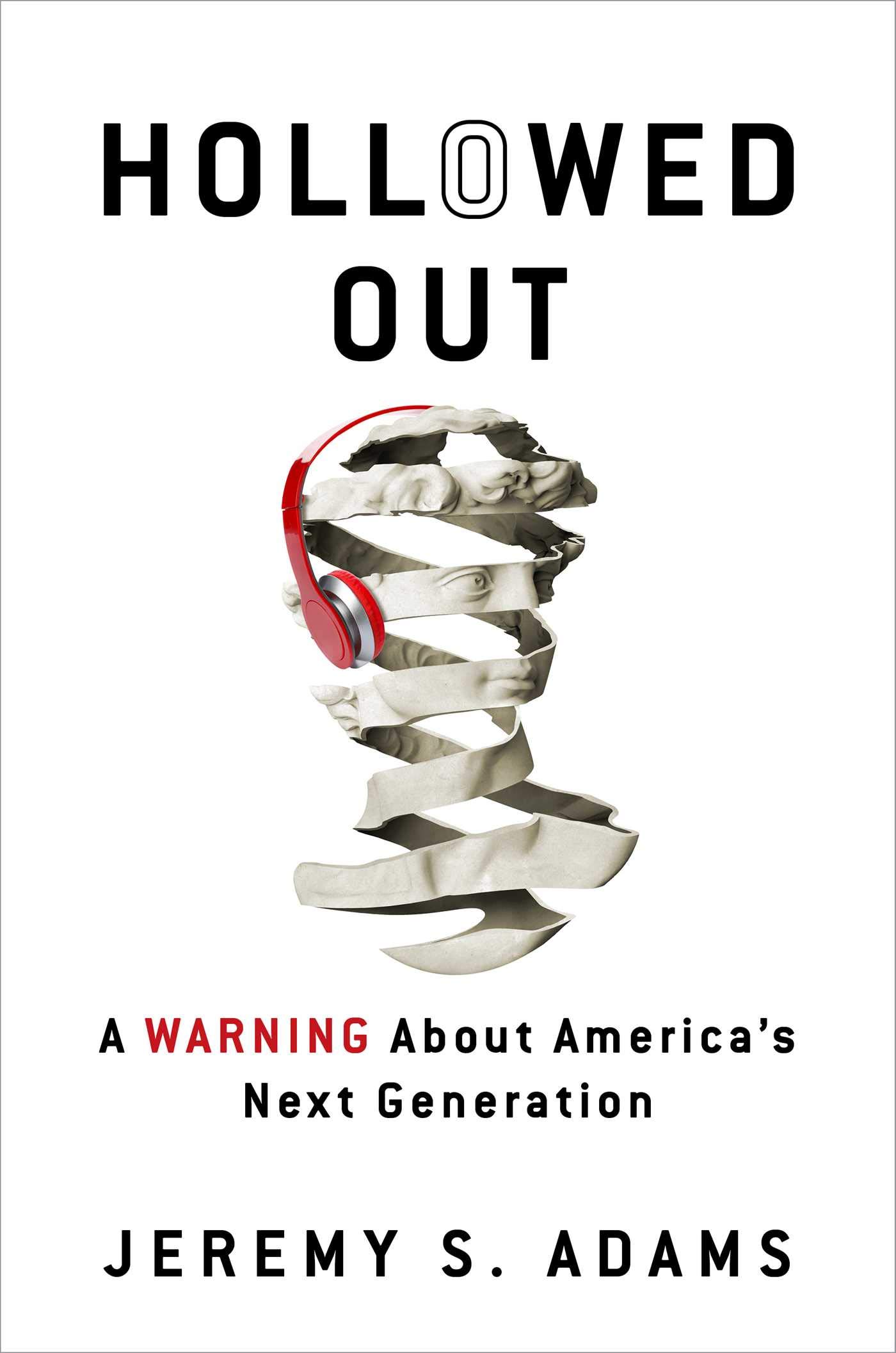
Jeremy S. Adams
Hollowed Out: A Warning About America’s Next Generation
Regnery Publishing, 2021We are the hollow men
We are the stuffed men
Leaning together
Headpiece filled with straw. Alas!
Our dried voices, when
We whisper together -
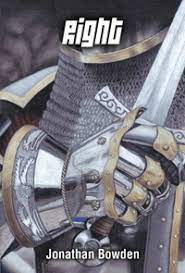
Jonathan Bowden
ed. by Alex Kurtagić
Right
London: The Palingenesis Project, 2016To commemorate the late Jonathan Bowden on what would have been his 61st birthday, Greg Johnson provided a thoughtful tribute essay, accompanied by a comprehensive aggregation of links to articles, speech transcripts, reviews, and more. Although so many of us never had the privilege of meeting him or attending his speeches in person, Bowden nonetheless remains an inspiration. (more…)
-
3,236 words
The heart is deceitful above all things, and desperately wicked: who can know it? — Jeremiah 17:9
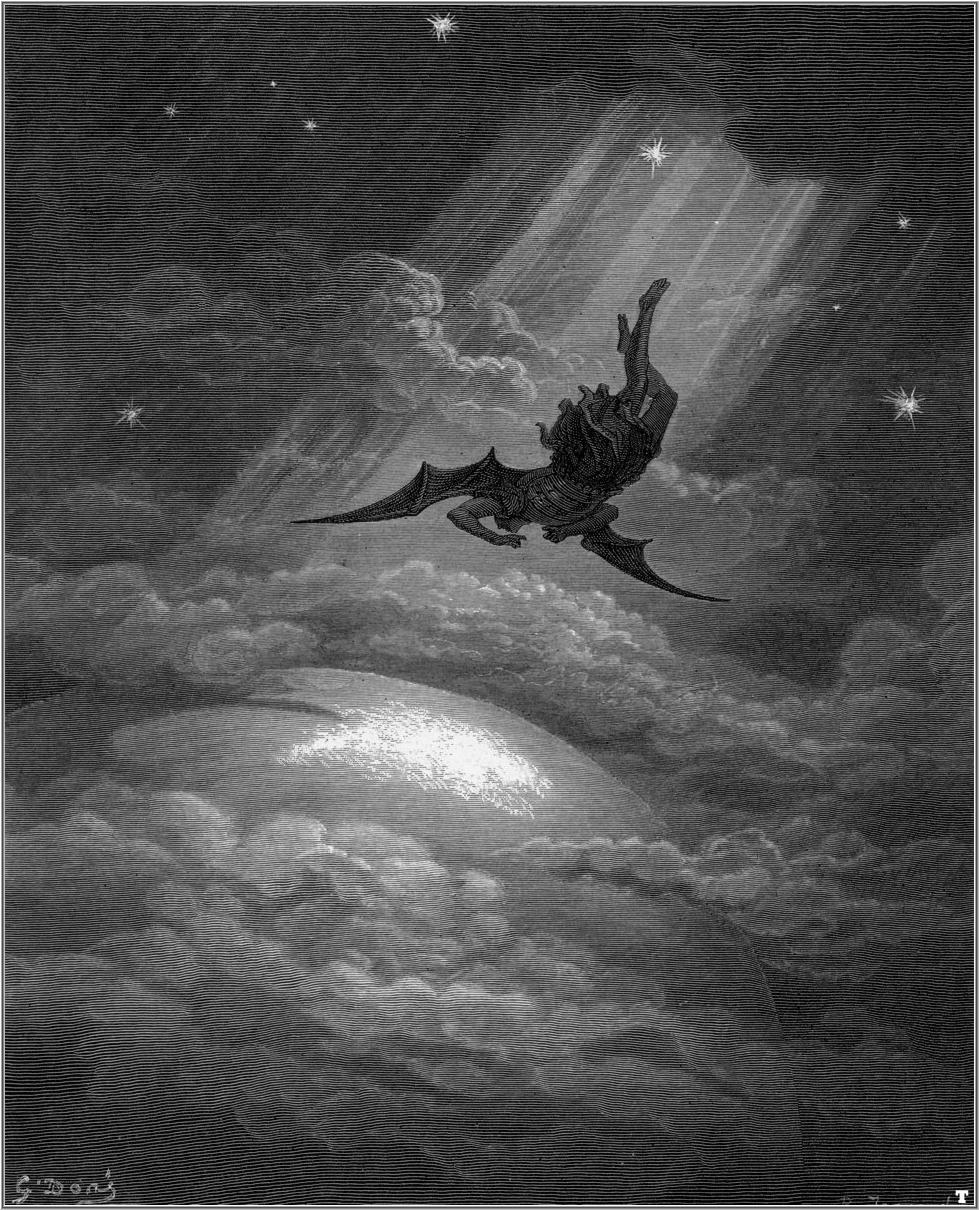
Unde malum? Where does evil come from? I first pondered that question as a child, a childhood of full immersion in a fundamentalist, Baptist Weltanschauung. Evil’s origin and its persistence in the world was the central motif in the narrative of the Great Rebellion, the failure of Angel Lucifer’s insurrection against God. The origin of evil came from a titanic battle of supernatural beings. (more…)
-
Thomas Stearns Eliot was one of the 20th century’s most influential poets, as well as an essayist, literary critic, playwright, and publisher. He won the Nobel Prize for literature in 1948. Born in St. Louis, Missouri, from old New England stock, Eliot emigrated to England in 1914 and was naturalized as a British subject in 1927.
-
Thomas Stearns Eliot was one of the 20th century’s most influential poets, as well as an essayist, literary critic, playwright, and publisher. He won the Nobel Prize for literature in 1948. Born in St. Louis, Missouri, from old New England stock, Eliot emigrated to England in 1914 and was naturalized as a British subject in 1927.
-
Thomas Stearns Eliot was one of the 20th century’s most influential poets, as well as an essayist, literary critic, playwright, and publisher. He won the Nobel Prize for literature in 1948. Born in St. Louis, Missouri, from old New England stock, Eliot emigrated to England in 1914 and was naturalized as a British subject in 1927.
-
September 26, 2019 Greg Johnson
Remembering T. S. Eliot:
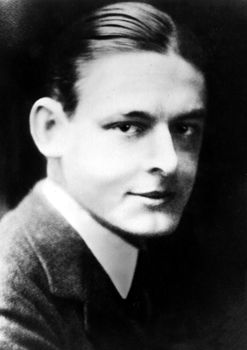
September 26, 1888–January 4, 1965Thomas Stearns Eliot was one of the 20th century’s most influential poets, as well as an essayist, literary critic, playwright, and publisher. He won the Nobel Prize for literature in 1948. Born in St. Louis, Missouri, from old New England stock, Eliot emigrated to England in 1914 and was naturalized as a British subject in 1927.
-
I was using my Spectator-co-uk digital subscription to search for odds and ends in its wonky archive. What, I wondered, did the Speccy have to say about the Angry Young Men in the late 1950s? Better yet, what did they have on Colin Wilson and his friend, the ever-elusive Bill Hopkins?
Not an awful lot, as it turns out. (more…)
-
September 26, 2018 Greg Johnson
Remembering T. S. Eliot:
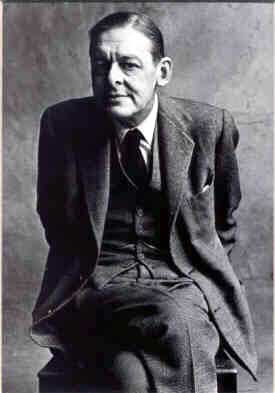
September 26, 1888–January 4, 1965Thomas Stearns Eliot was one of the 20th century’s most influential poets, as well as an essayist, literary critic, playwright, and publisher. He won the Nobel Prize for literature in 1948. Born in St. Louis, Missouri, from old New England stock, Eliot emigrated to England in 1914 and was naturalized as a British subject in 1927. (more…)
-
September 26, 2018 Video of the Day
Video of the Day
T. S. Eliot Recites “The Hollow Men”478 words / 3:57
To commemorate his 120th birthday, we offer this recording of T. S. Eliot reciting one of his greatest masterpieces, “The Hollow Men” – which is perhaps now timelier than ever. The text of the poem is below the video.
-
1,092 words
The great monologist Jean Shepherd used to remark, “In four thousand years, no one will know that you ever existed.” This statement is shocking for modern man, who — while not believing in an immortal soul — is convinced that technological advances will soon grant immortality to his physical being. Mortality might come as a shock to deracinated modern man — who is never more than a few feet away from a hand sanitizer or a “safe zone” to protect him from the challenges of bacteria or differing opinions — yet this was not always the case. (more…)
-
To Apeneck Sweeney
In what you write and ask
I smell the reek of herring,
matzo balls . . . Your task
is subtle, almost daring,