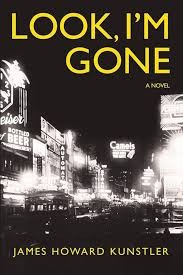
James Howard Kunstler, whose blog Clusterfuck Nation covers both political and cultural events, published Young Man Blues last year, a fast-paced and enthralling memoir about his troubled adolescence. When he was released from a mental institution he called The Laughing Academy, he judged “My childhood was over and the statute of limitations on my childhood grievances was over, too.” (more…)
Tag: American literature
-
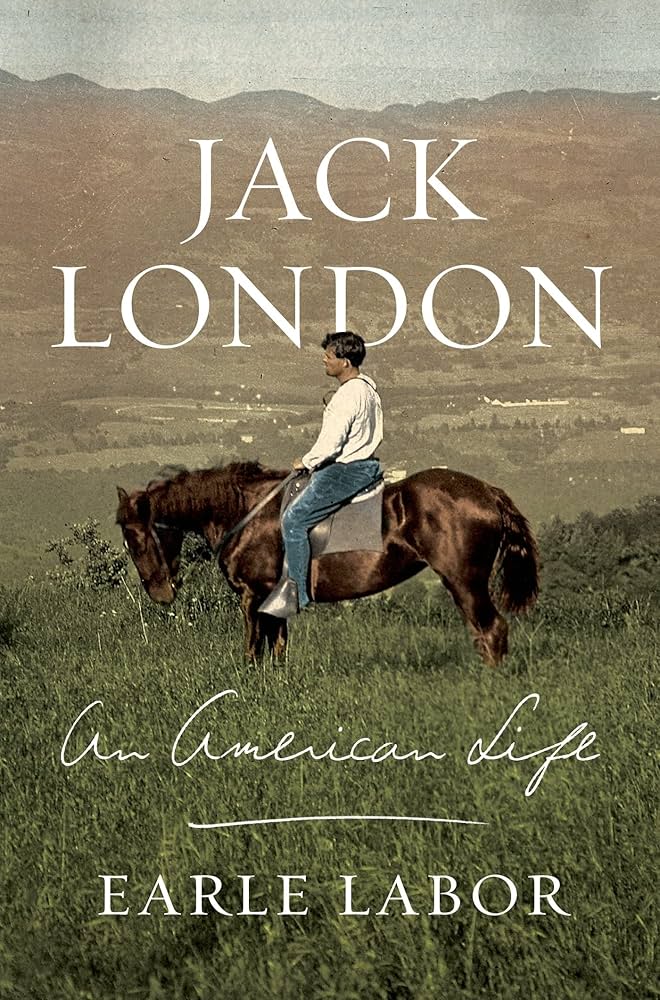
Earle Labor
Jack London: An American Life
Farrar, Straus & Giroux, 2013“The greatest story Jack London ever wrote was the story he lived.”
– Alfred Kazin
American writer Jack London was born John Griffith Chaney on January 12, 1876. Born into poverty in San Francisco, London later said that “life is not always a matter of holding good cards, but sometimes playing a poor hand well.” He would go on to become one of America’s most famous literary sons, albeit one whose life contained many contradictions and internal oppositions. “No American writer,” writes London scholar Earle Labor “has been subjected to more misleading commentaries.” (more…)
-
3,233 words
A thought has been lurking in the back of my mind for some time.
In terms of fiction, and even outside it (with the notable exception of H. P. Lovecraft), were certain authors reflexively embraced as soul mates by white conservatives and racialists, in reality . . . anti-white — out of “principle,” opportunism, or just unconsciously? (more…)
-
March 17, 2021 Steven Clark
Charles Brockden Brown: American Gothick with a K
Charles Brockden Brown (1771-1810) wasn’t the first American writer. That was William Hill Brown (no relation), whose The Power of Sympathy (1789) was an epistolary novel imitating Richardson with moral purpose and a satisfying ending of virtue triumphant. Then there was Susanna Rowson. Her Charlotte Temple (1790), was America’s first bestseller, another fine moral tale of a young woman choosing virtue and so (again) triumphing. (more…)
-
As an American, I find European theories about this country and its character intriguing (or amusing) — particularly those formed from intimate experience. Of course, such theories presuppose that there is and has been such a thing as “the American people,” or “ethny” from which to draw an assessment. I submit two, not quite antithetical, but competing European judgments about the United States. (more…)