 2,774 words
“You cannot build a history on fiction.”
David Starkey, English historian.
Tony Blair was a very skilled operator when it came to language, an advocate of NLP (Neuro-Linguistic Programming), and adept with slippery rhetorical moves. One of his very first speeches in office was quite brilliant due to one of its linguistic constructions. What was his new government’s first priority? he asked. “Three things. Education, education, education.” He wasn’t lying, his government did indeed prioritize education. He just didn’t say what they were going to do with it.
Subscribe here to keep reading
7 comments
Ask any teacher who is the dumbest kid in the class and they will always say The one with the biggest ego. That’s black people.
“You cannot build a history on fiction.” Unfortunately, he may be proven wrong on this one. Get enough money and state power and propaganda involved and there’s quite a lot you can do.
I appreciated your fiery and uncompromising tone here. I can only hope English youth stumble upon your articles.
Even if the ancient English had black skin, which they didn’t, that wouldn’t mean they were the same race as the contemporary Bantus and Bulbheads flooding the West today. Ancient black-skinned English accomplishments still wouldn’t be in any way to their credit. They would still be your ancestors and not theirs.
“You cannot build a history on fiction.”
David Starkey, English historian.
Great article! I must disagree with you; an entire history has been built on the fairytales contained in the jewish book called the Bible. So, if these subversives are not opposed; they will succeed through inertia alone. 🦈
I always wonder what’s so special about the Windrush if Britain was always diverse.
Bingo. If England was always full of blacks, then why would Windrush matter? Perhaps their distinction is in being the original unwanted boat migrants.
It has always struck me how liberal “anti-racists” portray Blacks and other people of color as downtrodden victims. This doesn’t match up at all with everyday experience, where most Africans and brown people such as Arabs have huge egos and inflated notions of their own importance. This isn’t incompatible with gnawing inferiority complexes toward white people, which liberals then describe as “racist trauma”.
I think that this effort to portray people of color as depressed, pitiful creatures who cower in the face of racism is, to a large extent, a projection on the part of mostly Jewish-American liberal activists. Jews in the diaspora do not have the physical strength and vitality of Blacks or most brown-skinned North Africans, West Asians or Mestizzos, and young Jews are often physically frail and prone to various illnesses. They have a constant fear of being bullied in some way by their white peers, but at the same time a powerful desire to excel and succeed.
Black superiority is a theme that Netflix and Amazon have embraced and dedicated themselves to promulgating in many if not most of its productions.
Typically inserted in a piece of the story line is a subplot that details some very mean, uncultured, stupid whites vicariously pouring out abuse on blacks just trying to make their way in a society that not only hates them for being black but for being smarter and more talented than whites. The blacks are always high-minded, kind hearted, principled, talented, morally and intellectually superior to whites in every way.
Recently, I watched a series, Mr. Selfridge, on Amazon fictionally based on the founding of the British Selfridge department store chain by American retail magnate Harry Gordon Selfridge in 1909. A number of the episodes were devoted to the abuse of a black seamstress employee by a coterie of vicious, female employees who were jealous of her greatly superior talents and work ethic.
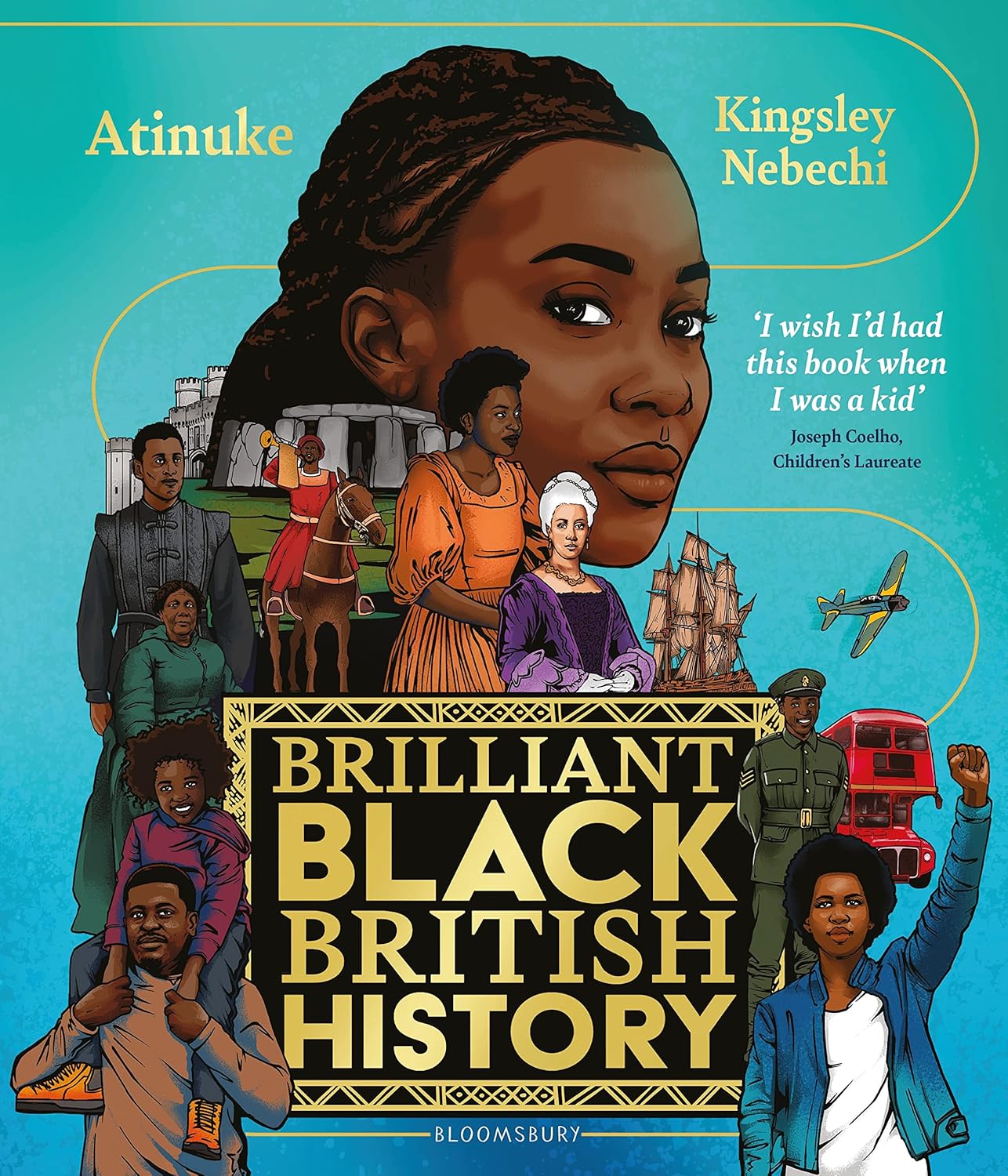
Of course, for decades anti-white propaganda has been what the “entertainment” industry is all about. Like the UK children subject to BBBH indoctrination, the passive viewers of the mainstream streaming services are immersed in the simulated reality of black superiority.
If you have a Subscriber access,
simply login first to see your comment auto-approved.
Note on comments privacy & moderation
Your email is never published nor shared.
Comments are moderated. If you don't see your comment, please be patient. If approved, it will appear here soon. Do not post your comment a second time.