The vinyl library record was ancient and warped – apparently a prior library patron had left it in the sun too long – and every time it reached Desdemona’s line: “Tell me Emelia, where did I leave that handkerchief?” the needle would get locked in the groove and repeat the line over and over. Yet that piece of old warped plastic was to me a crack in the universe through which I, rapt and breathless, could eavesdrop on a nobler world: the world of tragic drama. (more…)
Tag: Othello
-
2,283 words
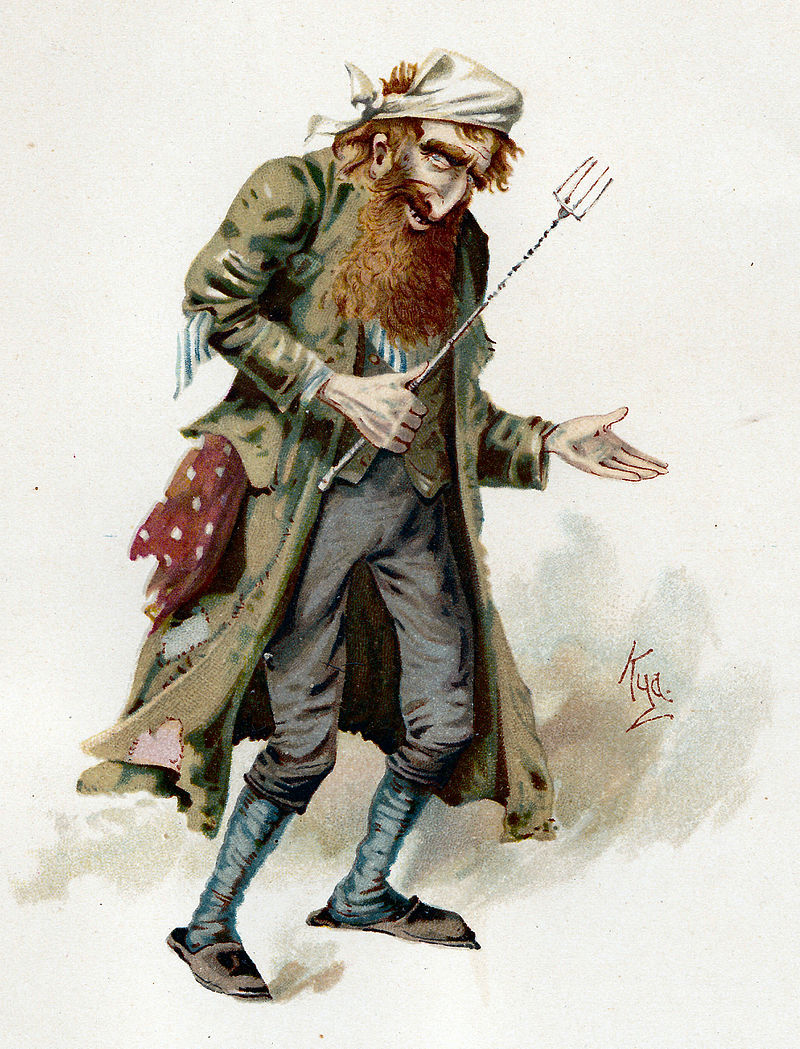
[S]tanding over them, with a toasting-fork in his hand, was a very old shrivelled Jew, whose villainous-looking and repulsive face was obscured by a quantity of matted red hair. — Charles Dickens, Oliver Twist
All my dearest companions have always been villains and thieves. — Fagin, “I’m Reviewing the Situation,” from Oliver! (more…)
-
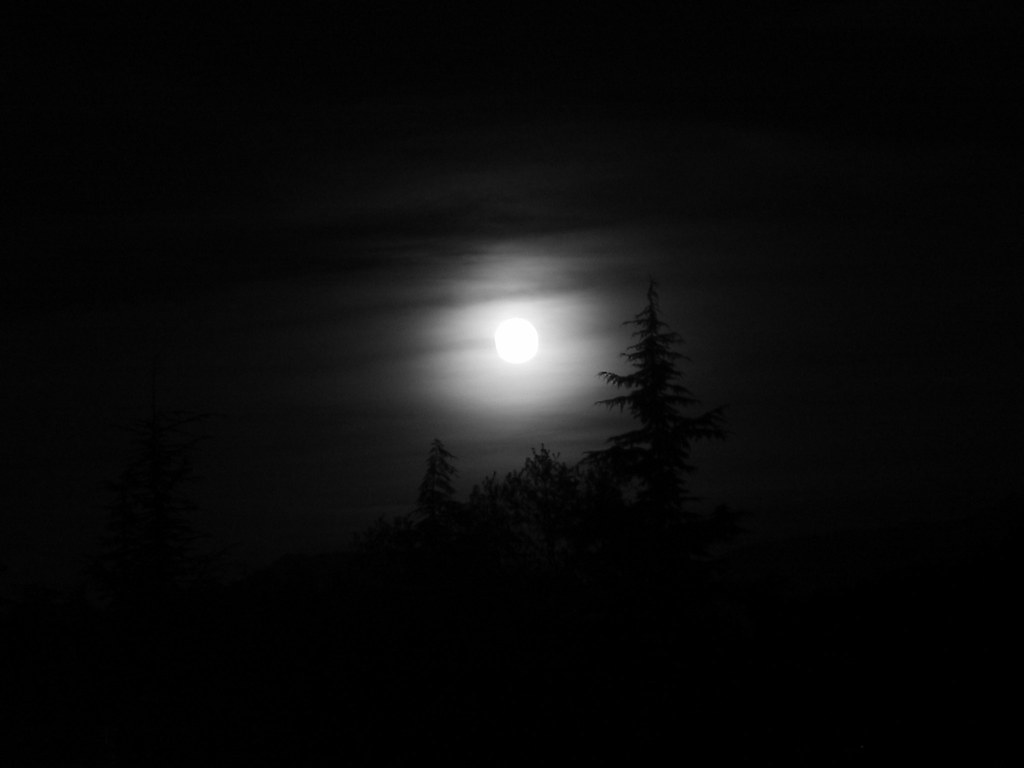
The last of the European pagan traditions died out in the Middle Ages. People no longer believe that thunder is the result of Thor banging his hammer or that the Sun is the wheel of a cosmic chariot travelling across the daytime sky. But there is one pagan belief that has remained widespread to this day: the belief that the Full Moon makes people go crazy. (more…)
-

Johann (Jan) Toorop, Stefan George, 1896; George took great pride in the fact that his profile favored that of Dante’s.
4,669 words
Part 2 of 2 (Part 1 here)
Stefan George’s Dead Poets Society
The chapters about Stefan George (1868-1933) and those of his inner circle are the most interesting and even-handed of the book. Unlike Nietzsche, George was not primarily a philosopher, but a poet. His verse, however, was deeply influenced by French symbolism, as well as Nietzsche’s muscular ideas that emphasized will, vigor, and a profound dislike of both bourgeois conservatism and egalitarian progressivism. Höfele claims that “the native idiom” of George’s poetry doesn’t translate well. (more…)