There is so much to unpack regarding the topic of the 1881-1882 pogroms that I felt my personal reactions and insights deserved their own essay. This isn’t part of my recent review of John Klier’s Russians, Jews, and the Pogroms of 1881-1882. Rather, it’s a reflection on the review and a discussion of how the pogroms of that period have become a cautionary tale for our times. (more…)
Tag: Two Hundred Years Together
-
171 words / 1:37:05
To listen in a player, click here. To download the mp3, right-click here and choose “save link as” or “save target as.”
This is an audio recording of Spencer J. Quinn’s six-part review of Aleksandr Solzhenitsyn’s monumental work Two Hundred Years Together, a history of the Jews broadly in Russia and specifically as part of the Bolshevik Revolution and the Soviet Union. We would like to thank Gaddius Maximus for this reading. (more…)
-
Part 1 here, Part 2 here, Part 3 here, Part 4 here, Part 5 here
Much of the tremendous value of Solzhenitsyn’s Two Hundred Years Together rests in how it was written completely without rancor. Only a highly cynical or unreasonable person could call it anti-Semitic — that is, a work that professes animosity or anger towards Jews as a people. (more…)
-
Part 1 here, Part 2 here, Part 3 here, Part 4 here
Large numbers of Jews who did not leave after the revolution failed to foresee the bloodthirstiness of the new government, though the persecution, even of socialists, was well underway. The Soviet government was as unjust and cruel then as it was to be in 1937 and 1950. But in the Twenties the bloodlust did not raise alarm or resistance in the wider Jewish population since its force was aimed not at Jewry. (more…)
-
Part 1 here, Part 2 here, Part 3 here
Solzhenitsyn points out early in chapter sixteen of Two Hundred Years Together that immediately after the October Revolution, the Bolsheviks wielded fearsome, unchecked power. And it was the wanton abuse of this power that led to the unspeakable violence of the Russian Civil War and the anti-Jewish pogroms to which Russian history had no equivalent. (more…)
-
By the time the reader begins the second volume of Aleksandr Solzhenitsyn’s Two Hundred Years Together, he’s aware of a complex yet fragile balance established by the author in volume one. Jews and Russians have shared the same empire and language for centuries, but not without conflict brought about by their different natures and the exigencies of history. (more…)
-
Aleksandr Solzhenitsyn
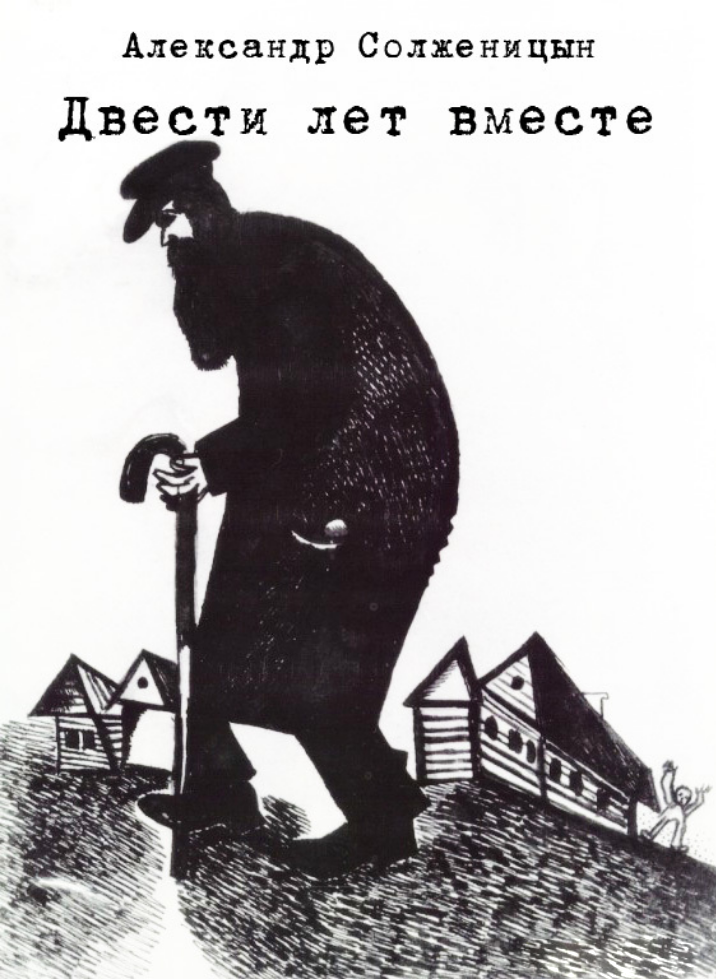
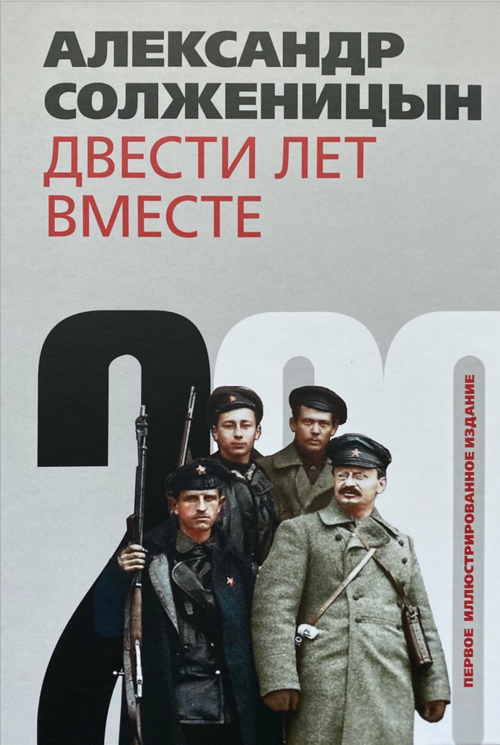
Two Hundred Years Together
Moscow: Vagrius, 2005No sane person wants to lie. Aside from whatever harm lying might cause, lying also chips away at a person’s dignity. (more…)