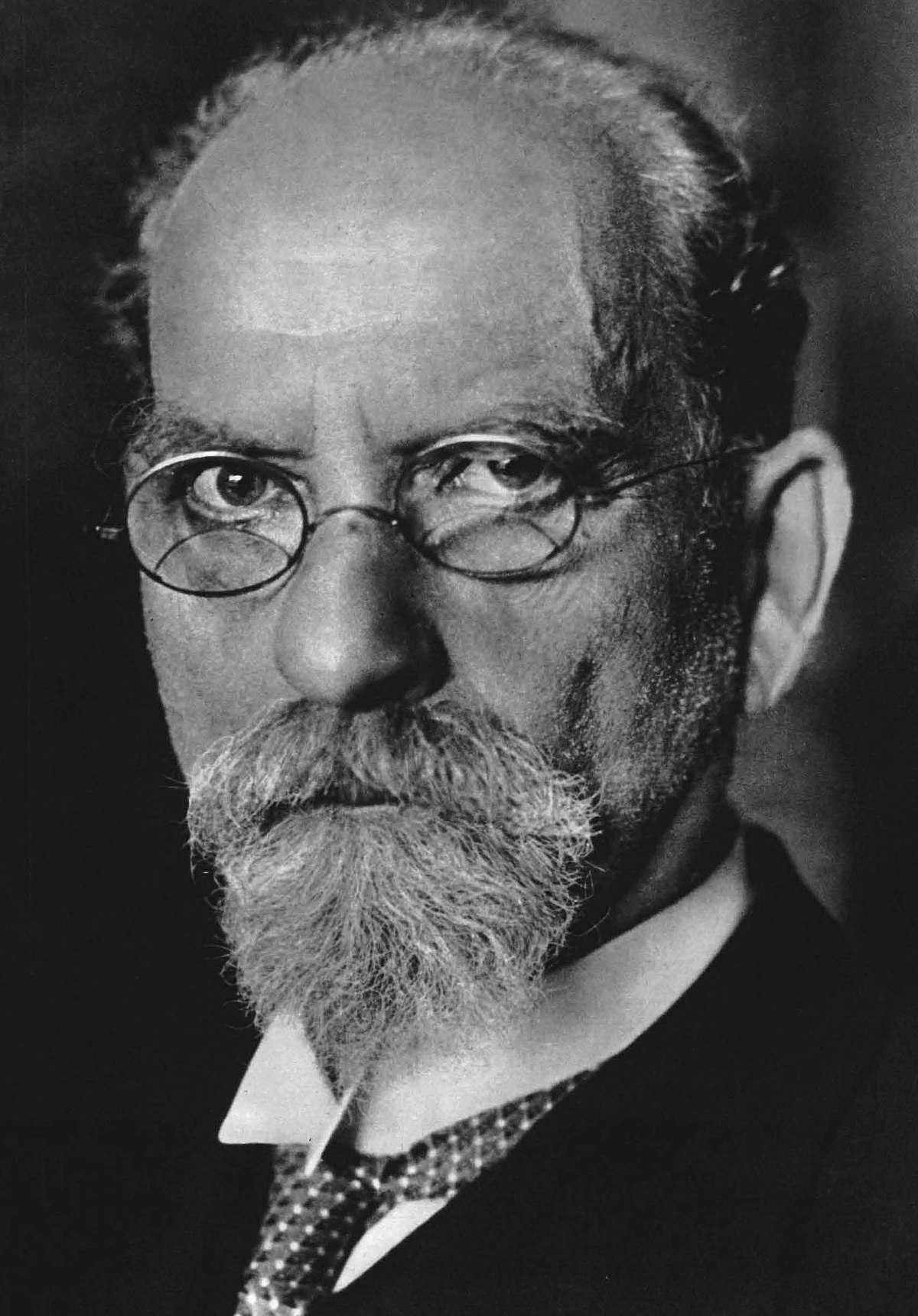
Edmund Husserl
Edmund Husserl
6,312 words
Leo Strauss credited Edmund Husserl’s phenomenology as a critical resource for his project of overthrowing modern political thought and vindicating the ancients. Strauss’s late essay, “Philosophy as Rigorous Science and Political Philosophy”[1] as well as posthumously published lectures and correspondence reveal significant debts to Husserl. Husserl was not, moreover, a mere “negative influence” — i.e., someone whose ideas Strauss rejected. Husserl was a “positive influence,” meaning that Strauss accepted and incorporated some of his ideas. (more…)