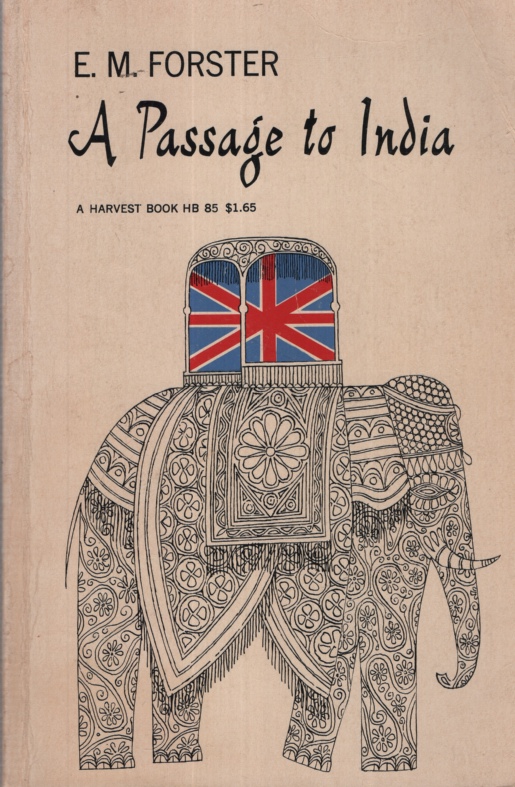
There is quite a bit to recommend about E. M. Forster’s 1924 novel A Passage to India despite the fact that as a novel it is not very good. It keeps a lazy, middling pace throughout and seems to rely upon its post-First World War readership’s hunger for detail about everything Indian — from the landscape to the wildlife to the people and customs — for much of its appeal. If you’re already familiar with most of this — or if you just don’t care — then the plot and characters will make up for it, but just barely. It’s as if Forster found it distasteful to produce anything as vulgar as suspense — or, Heaven forfend, a cliffhanger. (more…)
Tag: E. M. Forster
-
7,243 words
CHAPTER 6

THE FERN AND THE LATHEThe Technocratic Fallacy
Human nature is not a machine to be built after a model, and set to do exactly the work prescribed for it, but a tree, which requires to grow and develop itself on all sides, according to the tendency of the inward forces which make it a living thing.
John Stuart Mill, On Liberty (more…) -
By her side, on the little reading-desk, was a survival from the ages of litter — one book. This was the book of the Machine. – E. M. Forster
Welcome, my son.
Welcome to the machine.
— Pink FloydWriters of fiction are obviously not bound to set their work in their own times. (more…)
-
Not every Merchant-Ivory film is a visually lush period drama based on novels by prestigious writers like E. M. Forster and Henry James, but the most memorable ones are, including The Europeans (1979), The Bostonians (1984), A Room with a View (1985), Maurice (1987), and Howards End (1992). Another in this vein is The Remains of the Day (1993), based on a novel by Kazuo Ishiguro. (more…)


